TREE center: Fruit Filled

Had this old post here and never published for some reason. The following is from July, 2013 bring published today October 2014. 

#1. Strawberries - They were the tastiest of all fruits we grew last year (Albion, Sequoia & Fresca)
#2. Blueberries - Jubilee, Misty and Sharpblue species
#3. Apples - Multi-grafted tree with 5 different apple branches (Braeburn, Gala, Granny Smith, Fuji & Jonagold apples)
#4. Banana - Cavendish type. Same type we buy in the stores
#5. Plantain - Giant Plantain form Puerto Rico.
#6. Finger Lime - Australian wild citrus recently discovered

Since then: 
The strawberries are going randomly now in several places and can't remember what varieties made it. Blueberries are almost completely suffocated by tomatoes, but have produced sine fruit sparsely. The Apple is thickening but nothing vigorous yet and just a couple of fruit each of the last two seasons. The bananas have come and gone. None ever fruited, but the Australian Finger Limes did and very profusely. They just need some shade for next season so the sun doesn't damage all of the fruit.
Giant Plantain / Platano Gigante


Apples Tree / Arbol de manzanas

Various Blueberries and strawberries / Varias Fresas y arandanos

Various Blueberries and strawberries / Varias Fresas y arandanos

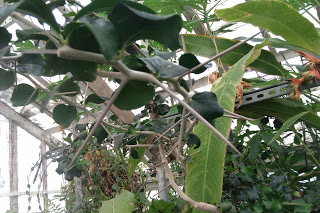
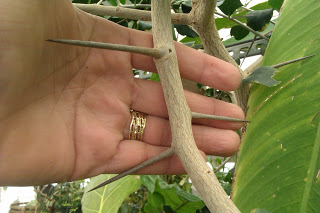
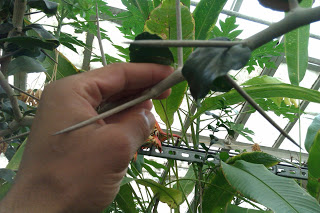
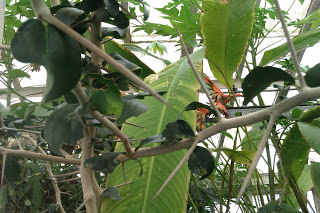
Finger Lime / Arbol de naranja ' de dedos'


Blueberry flowers / FLores de arrandano

Strawberry flowers / Flores de fresas

Blueberry flowers / Flores de arrandano

Small banana pup growing from Mama / Pequeña matita de guineo creziendo con su Mama

Its Been A Long Time I Shouldn't Have Left You...'

"...without a strong beat to step to." By William Michael Griffin Jr. aka Rakim.
We would like to apologize for not having had the time to touch base. We have been utilizing our time to focus on the 'business' status of our institution, getting documents in order, organizing the jungle of assets and other financial matters. The 'Work' stuff and Now it's Spring! It has been more like summer around these parts for me so I have plenty of beautiful images to share, tips on growing and much more to pass along.

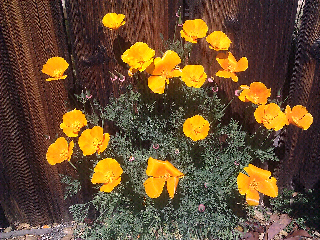
The native California Poppy. Family of the Opium Poppy.

NEEM: Most Frequently Asked Questions

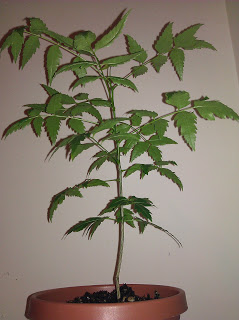
One of our most popular plants is the Azadirachta indica aka real Neem plant. Neem is an attractive broad-leaved evergreen that can grow up to 100 feet tall and their canopies can reach as much as 30 feet wide. This incredible tree has the capabilities of controlling most pests, being used as an antiseptic as in India where people brush their teeth with twigs of it and use it as a chew-stick as well as in toothpaste. Neem extracts prevent tooth decay, prevent and heal inflammations of the gums and are also anti-viral and anti-fungal. I can go on and on. You can find more detailed information on our eBay post here or grab this awesome book (Neem: A Tree for Solving Global Problems) for a nice thorough introduction to Neem.


Here are some of the questions we have been asked concerning Neem:
1. Is Neem related to medicinal Cannabis? 
Interesting question since many believe the leaves look very similar as well as both plants having medicinal properties, but the answer is absolutely not. Cannabis from the Cannabaceae family is more closely related to roses, strawberries, apples and cherries in the Rosaceae (Rose family) than to Neem. Both of these families branch out from the higher Order 'Rosales'. The scientific classification of plants used today come from the famous Carl Linnaeus and usually starts from Kingdom, which would be Plantae aka Plants, (sometimes Subkingdom, Superdivision are then listed) then Division/Phylum, Class, (sometimes a Subclass will follow), then Order, Family, Genus and lastly species, but general usage you'll hear starts at the 'Family' down to species level depending on detail needed and of course who you are talking to. Cannabis would be classified as Rosales (Order), Cannabaceae (Family), Cannabis (Genus), then sativa, indica or ruderalis would be the species types. Neem on the other hand would be listed as Sapindales (Order), Meliaceae (Family), Azadirachta (Genus), indica (species). The species is always written in lowercase letters. The Meliaceae family is the Mahogany family, yes the big ole' trees you're thinking about, so really no comparison to the above mentioned Cannabaceae family of plants.

2. How often do I need to water Neem plants?
All plants have their preferences. Some are very sensitive to moisture or becoming dry. There are also many details that go into how much watering is needed like size of the plant, its environment and how much sun, heat, wind etc. When neem plants are young they are a bit sensitive to too much moisture, so it is best to keep them on the dry side. After you see the stem start to get woody and brown it will tolerate more moisture. Regardless, it is important that when you water, you water thoroughly and that it freely flows out of the bottom of its container or through the soil/ground. You should not see a puddle remaining. That means you need to loosen your soil by possibly adding rocks, sand, gravel, pieces of bark, perlite, etc. Neem is very drought tolerant so it can withstand being dry, so it is best again to keep them on the dry side than over water. The more sun, wind, heat and faster growth will require more watering. If your plant gets cold temperatures and/or more shade it may slow down its growth rate and not soak up much water, nor will water evaporate easily so again less watering would be needed. One thing I say is that when you care about your plants you will notice changes in the way they look, which will give you clues as to specific needs maybe because its environment has changed or maybe it has contracted some root, leaf disease or is being attacked by pests or other factors. Keep your plants healthy and they will be less susceptible to these issues.

3. How much sun do Neem plants require?
This question goes along the lines of the previous watering question. Most neem plants do not get much sun when they are young in the wild since their parent trees provide so much shade, so at first not much sun is required, but we have been successful giving young neem plants up to 4 hours of direct sun until they harden, brown and become more woody. At this point they will tolerate much more sun, but again keep an eye out for temperature and how much soil and water they are in. All these factors play a role in the health of your plants. You can also give your plants artificial light from 'Day light', 'Natural', or 'Full spectrum' fluorescent bulbs, but remember that there is nothing like good ole' natural sunlight!

Enjoy and feel free to continue sending your comments and/or questions and we will reply to you and your specific situation directly.
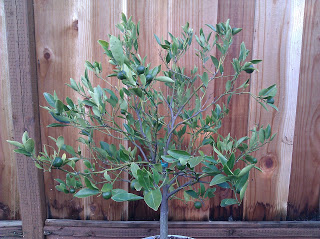
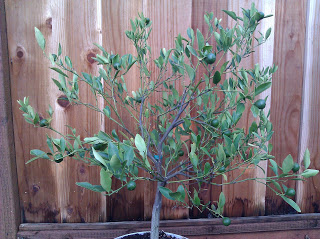
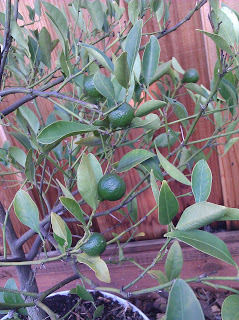
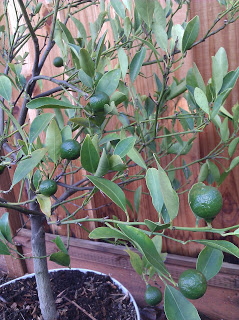
Calamansi / Calamondin - Citrofortunella microcarpa

Much thanks again to the San Francisco Conservatory of Flowers for this donation a couple of years ago. Here is a Citrofortunella microcarpa part of the citrus family (Rutaceae) that was actually being thrown out and the TREE center was able to get it to this stage just two seasons later. Enjoy some fresh pics as we will be enjoying some fresh garnish, zest and hopefully we'll be able to harvest enough to make some juice.


The Heirloom Life Gardener by Jere, Emilee Gettle & Meghan Sutherland - Book review

Hello all. I just finished reading this book and I wanted to share it with you all because if you are thinking about planting your own garden, successfully growing your own food and/or learning more about what's available out there to grow plus much more about non-GMO and heirlooms you need to check out this book - The Heirloom Life Gardener as well as Rareseeds.com, Jere and Emilee's web site for The Baker Creek Heirloom Seed company.
This book read like a conversation with your best friend, but with awesome pictures and an A to Z growing guide at your fingertips. The chapters start with a little history on "Seeds in America" and how Jere and Emilee met and started The Baker Creek Heirloom Seed Company. It then gets into their knowledge of seeds from around the world, "How to Garden" and grow them, the crucial art of "Seed Saving" and finishing up with a thorough "A to Z Growing Guide" on fruits and vegetables in a compact 218 pages. The last 135 pages are all dedicate dedicated to the growing guide.
I think we will start a 5 start rating system in which I would give this book 4 stars! Thank you Jere and Emilee. I look forward to making many more purchases from you in the near future as I recommend you all do so as well. Enjoy!

Receiving Your Plants from the TREEcenter Nurseries

Here is the inside scoop on the packaging, shipping methods and directions for opening up your packaged plants once delivered.
Most plants if grown from seeds will come in a 2 1/4" starter planters:


We use all organic "soil-less" mix. We start with fresh sterile compost from our local municipal recycling program here in Santa Clara County, CA then we may add Perlite, Canadian Peat Moss and/or Sand. The percentages of each will depend on the species of plants, it's water needs and preferred optimal growing environment. Cacao plants for example will have a higher Peat Moss content to hold more water, where as most Palms will get more sand for a heavier mix to help keep the taller plants in place as well as supporting better water drainage. Neem and Spanish Lime/Limoncillo's will have a higher rate of Perlite and sand as they are more prone to issues if left in an environment that is too moist or water-logged.

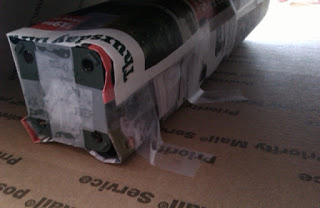
Then we add some moist newspaper and tape to hold it all down. Your box with plants should be clean of soil spills. Plants are then wrapped in newspaper to give them some protection from the outdoor elements as you can see below.
Wrapped plants with some space left open for fresh air circulation.
Then well secured to their shipping box.


Then stuffed with crumpled newspaper on the edges again to support a warm and stable environment in the box as well as helping keep the plants in place. Last you will notice arrows on the outside of your delivery box. If there are no arrows on your box just lay it flat with shipping label facing upwards.

STEPS TO OPENING YOUR BOX
1. Hold your box with arrows pointing up (or shipping label facing up) before you attempt to open.
2. Pull designated tabs to open box or force flaps open, which are self-sealed with sticky glue.
3. Once inside the box take out all crumpled newspaper. Plants in small flat rate boxes are usually packed tight enough that no news paper fits or is needed.
4. Remove as much tape as you can and make sure the box lays flat on its side
5. Follow same directions as #2. and open other end of box
6. If you can not see complete wrapped plants and all tape then try to cut down the side of the box in order to get a good view of plants then remove all tape.
DO NOT attempt to just forcefully pull or push plants out or off of the box without removing all tape in order to avoid damaging the plants.

If ANY damage occurs, please contact us ASAP @ TREEcenter.info@yahoo.com for methods to save the plants and or next steps to make sure your plants Survive and Thrive. We do everything in our power including providing FREE support and advice for every plant until we are all sure plants will remain healthy and continue to Thrive in their new home with their new caretakers.

NOTE: Palm Trees may have a slightly different box and shipping setup but ultimately the same methods apply. Trying to remove as much of the tape and other contents before removing plants form their secure locations.

More Garden and Nursery Updates

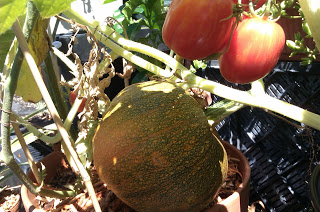
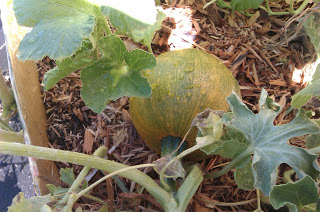
Pumpkin
Young Pumpkin


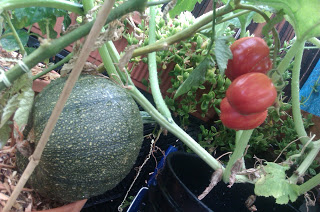
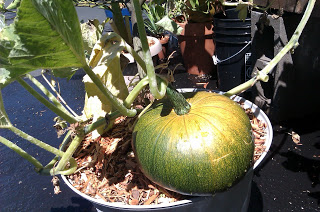
Pumpkin

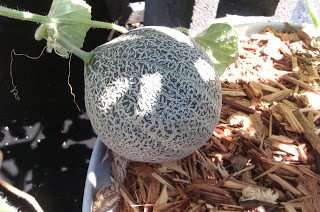
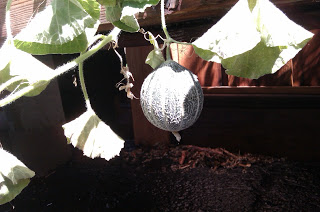
Cantaloupe or Melon

Pumpkin

Cantaloupe or Melon?


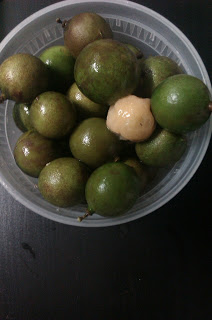
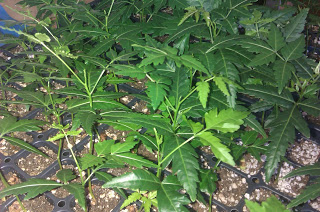
We've also added Melicoccus bijugatus aka Limoncillos/Mamoncillos/Spanish Lime/Kinepa/Guinepa and Azadirachta indica aka Neemto our nursery collection.

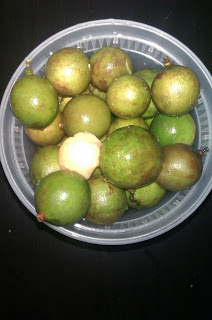
Melicoccus bijugatus - momoncillo, limoncillo, guinep, guinepa


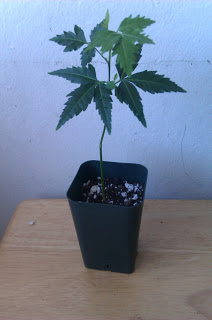
Azadirachta indica - Neem

Azadirachta indica - Neem

Garden Update: July 25, 2012

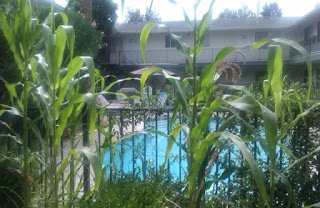
Corn overlooking the pool

Well since our last Garden Update we have lost some and won some. Here are the reports: The Strawberries were an awesome experiment, but they dried up in the hanging baskets I made. They definitely needed more soil and root space and I was unable to keep up with them, but next season we will go heavy on the strawberries.

The raised bed was deepened with hand laminated cardboard and the Spinach & Broccoli were taken out. We did get the opportunity to save some seeds for next season when we will plant the Spinach earlier and avoid too much direct light, which was part of the issue. The Broccoli would have done better with a deeper bed as well, but we needed to get our second harvest going.

Outback Garden
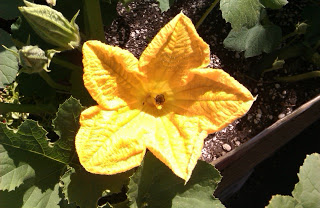
Pumpkin flower closed around 2pm


 The second harvest in our updated and deepened raised bed includes Peas, Melons, Cantaloupes, Onions, Pumpkins and Watermelons. Pumpkins grow very fast and quickly take over. We left just 2 plants on either side of the bed and on each corner we added another melon. The onions and peas are in the center, but it may prove to be too sunny for both of those more sensitive crops.
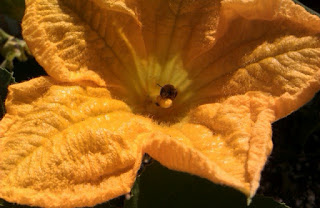
Pumpkin flower open for business
We have a customer! I wonder how many 'Hits' or 'Likes' we've gotten.


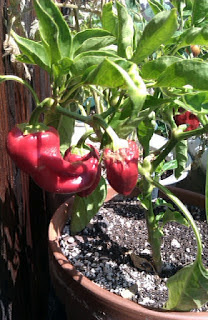
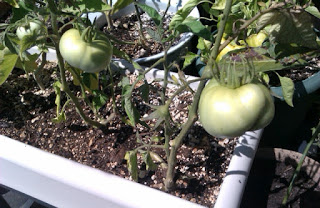
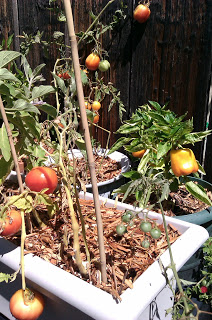
Right next to the raised bed are several containers holding our Sweet 'Tollie' non-bell peppers and regular green to red Bell Peppers Chocolate Cherry, Brandywine and a Striped variety Tomato. There are also Eggplants, Hass Variety Avocado Seedling, which won't set fruit for another few years, but will probably be used as rootstock for my West Indian/Caribbean variety avocado. There is a Cavendish Banana plant and it's suckered baby, which was separated and has been brought upstairs so we can keep a better eye on it and hope the Mother plant sets out a few more. In the Musa banana family is also a Giant Puerto Rican Plantain plant, a recently added Golden Pineapple, which will probably be ready for next season and lastly our Calamansi and Dwarf Orange trees.

Still have a few Sweet Peppers (Non-Bell)
Brandywine largest Tomato variety we currently grow
 In the front garden area, which falls within our community living space we have several Corn plants,  Soy, Carrots, Onions, Tomatoes (Sun Sugar variety), Hot Peppers and a few recently transferred Watermelon, Pumpkin, Cantaloupe and Melons plants from the back. The Pinto beans were already harvested and eaten tender before they hardened too much on the vine. No wonder I couldn't keep up. Most of these crops are experimental to see, which varieties grow well and tastiest. Next season we will focus on growing more of fewer better quality crops unless our space gets bigger! :) Enjoy the pictures.

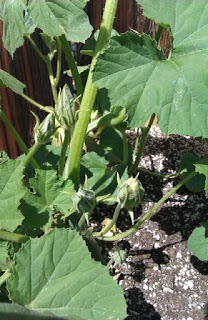
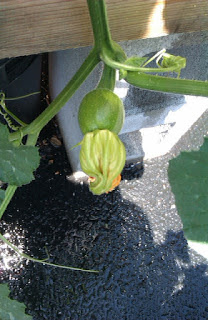
Pumpkins already starting to set fruit.
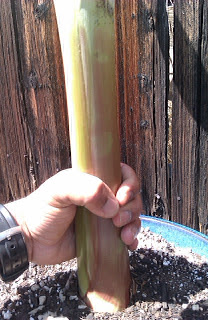
Banana herb plant is NOT a Tree. This stem/trunk will never get woody.
This will one day become a true Giant Plantain Plant.


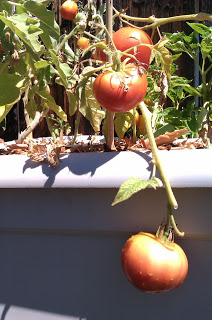
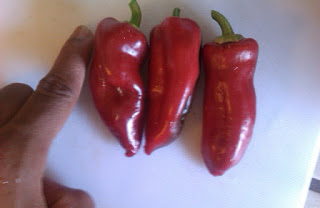
Some of this seasons fruit all Red-dy for action!
Towering Corn

Another Pumpkin fruit. Should be ready for Halloween!


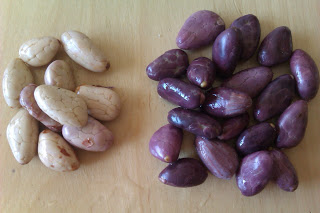
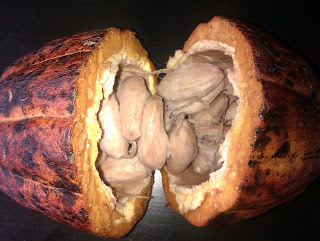
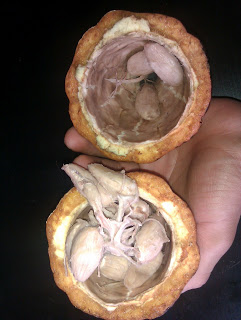
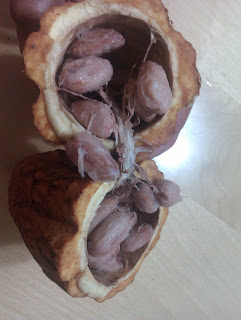
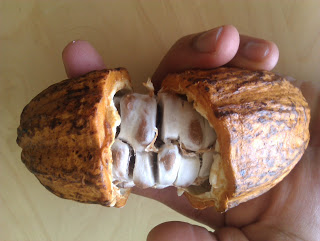
Purple & White Cacao Beans

These are the typical results of our Mother cacao tree pods. Usually a 2 to 1 ratio between purple (typical Lower Amazon Forastero trait) and white beans (more typical trait of Criollo cultivar). Our Theobroma cacao tree is currently in the process of undergoing DNA testing to determine and confirm its genetic identity.
The "Genus Theobroma has 22 species all of which are restricted to tropical America with greatest densities of species in Colombia and Panama. Theobroma bicolor (pataste) and Theobroma speciosum (cacaui) are sometimes used to make a chocolate of inferior quality and seed pulp is eaten. Also Theobroma grandiflorum (capuassu) is prized for its aromatic seed pulp which is used to prepare soft drinks, preserves and candy." (From, "Cacao - Origin, Ecology and Natural History of a Hot Commodity" by Frank Almeda)


El Trinitario - Best of Both Worlds (Lo Mejor de Dos Mundos)

The information you are about to read is my opinion derived from my research this far. I use what I get from web sites, books and my own experiences with cultivating over 500 cacao (chocolate) plants so far. (Esta informacion es mi opinion despues de amplia investigacion. Uso sitios de web, libros y mi propia experiencia cultivando mas de 500 matas de cacao (chocolate). 
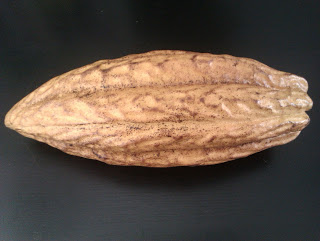
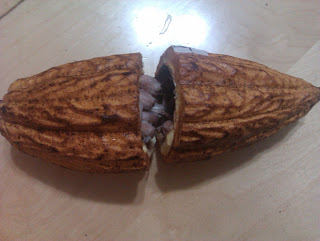
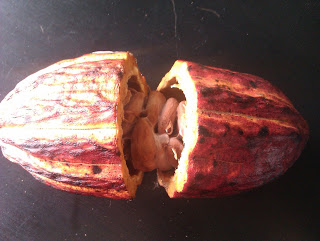
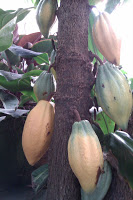
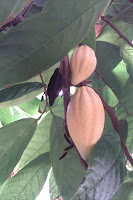
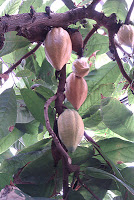
All Pods are from Trinitario Trees / Todas las mazorcas son de matas Trinitario


Favorite Red Trinitario Pod / Favorita mazorca roja Trinitaria
Trinitario is a make up of one Criollo cacao plant crossed with a Forastero cacao plant in order to attain the best traits from both species. The Criollo is valued for tastes/flavor and it is said to have been the original and most common type for some time until the 1950's when the Trinitario mix was created and publicized in Trinidad, thus the title, Trinitario. Just like many other desired fruits of the world, humans have kept their own favorite cacao plants throughout time creating their own crossings in order to get a plant with characteristics of their liking. Whether it was a Family, Small Farmer or Large Businesses they all contributed to the existence of the mixes we have today and there are many mixes.
My favorite cacao tree. / Mi mata favorita de cacao.


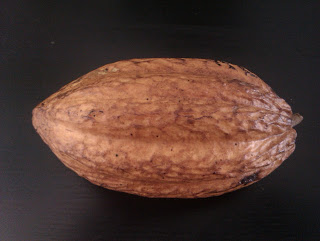
Yellow more Criollo shaped Pod / Mazorca amarilla formada mas como las especie Criollo
So much so that many have lost track and in recent years since the early 2000's at least when DNA testing became effectively used we come to find out that the plants/trees that were labeled had been labeled incorrectly. It's almost like starting over, instead now DNA testing and newer technologies are pinpointing more information, more accurately. These though seem to be the most agreed upon facts as far as the most original characteristics of the three (3), some people would say four (4) major cacaos including the Arriba/Nacional from Ecuador. Forasteros in general have thicker pod shells when cut open, more beans/seeds and a more rounder pod much like an Avocado, ovoid instead of elongated like a flat American Football as most original Criollo pods were said to be. The Criollo produces less beans/seeds with less pods on their limbs in comparison to the Forastero and then you add the Criollos susceptibility to most cacao diseases you better believe the taste had a lot to do with its survival. I am sure many folks were concerned with keeping the Criollo in existence after so many other specimens like it were being wiped out across the globe by the deadliest of virus' mainly Witches Broom, Black Pod and Frosty Pod Rot. Most of the Chocolate available in the United States like bulk chocolate and syrups are made from the more abundant Forastero and Trinitario. Many high end chocolates can and have been made from Forasteros including Arriba/Nacional, which is said to come from the Forastero lineage, but you will find that the most expensive chocolates are made wholly or in part with Criollo cacao beans or Trinitarios that have taken on characteristics of their Criollo lineage.
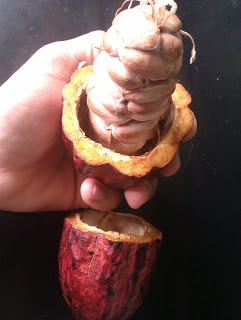
Only had 16 big seeds compared to 20-35 in the others / Nadamas trajo 16 semillas comparado a las 20 a 35 que tuvieron las otras mazorcas Trinitarias


(El Trinitario existe por la mezcla de una mata Criolla con una Forastero para tratar de obtener lo mejor de los dos especie. El Criollo es valuado por su sabor y porque dicen que es el cacao original y mas abundante hasta el año 1950 cuando fue conocido la nueva mezcla como Trinitario, hecho en la isla de Trinidad. Como otras frutas deseadas del mundo los humanos han mantenido sus matas favoritas de cacao con caracteristicas ecojida specificamente para ellos mismos. Sean Familias, pequeñas empresas o aquellas grandes empresas todos han hecho contribucion a las tantas mezclas de cacao que tenemos hoy en dia. Tantas variaciones hay que muchos han perdido cuenta. En primeros años del 2000 cuando los examenes de DNA comenzaron a ser mas efectuoso para distinguir entre tipos de cacao.

Las caracteristicas que en general atribuyen al los tres (3) algunos dicen cuatro (4) mayores tipos de cacao si contamos el Arriba/Nacional de Ecuador serian que el Forastero tienen la cascara de la mazorca mas gruesa cuando las abrrimos en mitad, tienen mas semillas/granos y las mazorca del Forastero es mas redonda como mas como un aguacate y menos como los Criollos que en general son mas larga y parecen a una bola desinflada de futbol Americano. El cacao Criollo produce menos semillas/granos en menos mazorcas y son mas propenso a viros como "Escoba de Bruja, Mazorca Negra, Mal Del Machete". Aunque tengan tantas males todavia lo crecian y pinso que tiene mucho que ver con el sabor. Claro que hay muchos que trataron de salvar la especie del Criollo que desaparecia mas y mas dia por dia. La mayoria del chocolate en comercio y en liquido en los Estado Unidos bienen del especie abundante Forastero. Econtraras que aunque la mayoria de chocolates caros son hecho en parte o completamente de granos de cacao Criollo o aquellos Trinitario que han obtenido caracteristicas de su linaje Criollo. Tambien varios chocolates hecho del grano Forastero del Arriba/Nacional cacao de Ecuador cual el muy raro de encontrar aunque sea Forastero.)


Photo Update: Beans, Broccoli, Corn, Spinach & Strawberries Coming Along...

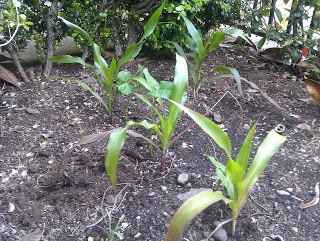
Corn just starting with some Pinto beans.

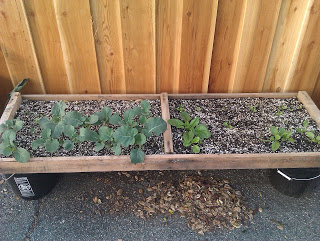
Our salvaged freight pallet made into a raised bed for veggies.

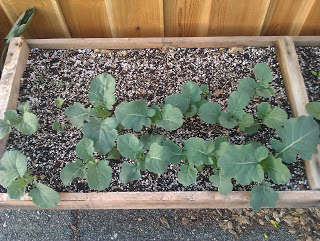
One of our favorite veggies: Broccoli

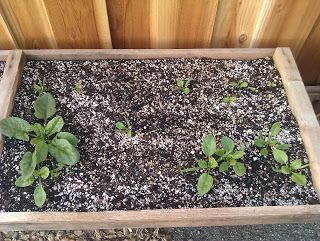
Spinach in action. We already tasted a few leaves & they keep on going!

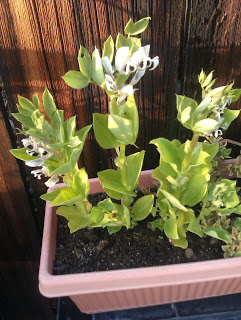
Fava Beans flowering

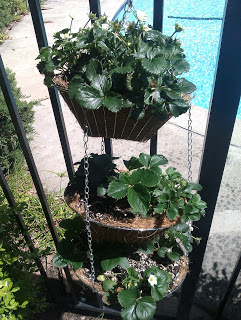
Hanging Strawberry baskets by the pool

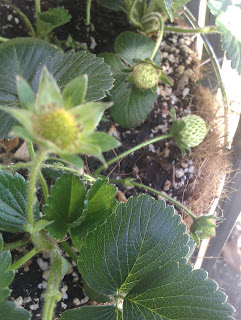
First Strawberry (greenish-yellow) hanging to the left there

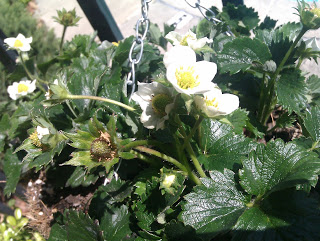
More Strawberry Flowers

Close up of Strawberries flowering & fruiting

Making Vanilla Planifolia Right at Home

Once our cacao trees give fruit we're going to need some flavoring to add to our chocolate mix and Vanilla planifolia will make the perfect pairing. The Vanilla plant is a vine and part of the orchid family, one of the two largest flowering plant families. Vanilla is also the only orchid that has been known to be used for economic purposes on a commercial scale. When its greenish-yellow flowers are pollinated this orchid produces a greenish pod much like typical pole or bush beans. These beans are then used as flavoring for many drinks and dishes. These flowers open and are fertile early in the morning and if not pollinated they will just fall off. Vanilla plants in the wild will rarely be pollinated and produce beans for this reason hand pollination is usually administered under controlled situations.
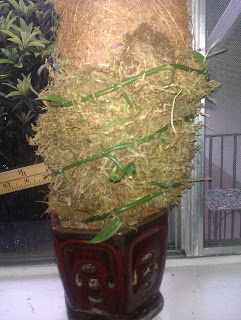
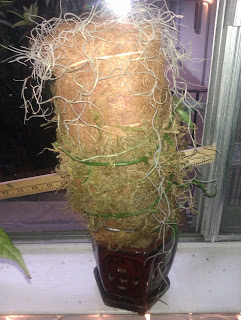
From the information we have garnered so far we know that most Vanilla plants will not produce beans until they have reached an approximate length of at least 10 feet. One other important factor needed for this orchid to grow strong and well is support as it grows. Our vine has produced almost 6 inch long roots as it searches for something to hold on to, so today we finally made it right. Here are some pictures of the homemade support we created for our Vanilla planifolia vine and our Tillandsia usneoides better known as its common name Spanish moss, but it is not from Spain and not a moss. That's why we use its binomial: Tillandsia usneoides. Enjoy.
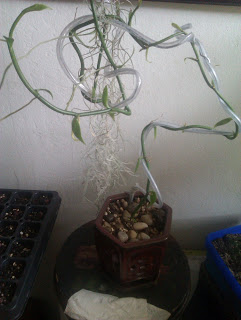
Original setup of 4 foot Vanilla vine with Tillandsia sprinkled in for company

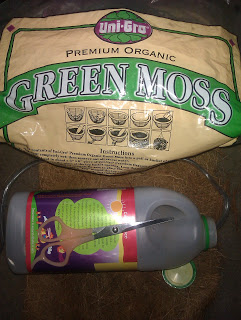
Tools used: Scissors, plastic bottle, tubing, coco coir and organic green moss

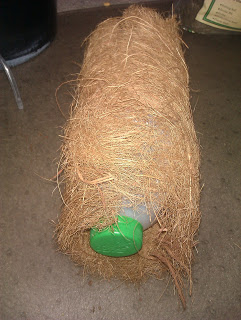
Wrapped coconut coir around plastic bottle with rubber bands

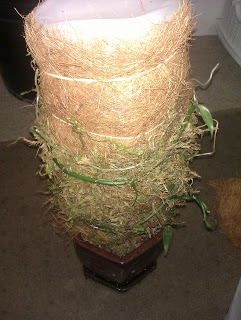
Added organic green moss underneath vine

Wrapped around nice and tight

Oh yeah, and topped it off with the original Spanish moss (Tillandsia usneoides)

Article: The Effects of Mycorrhizal Fungi Inoculum on Vegetables

The Effects of Mycorrhizal Fungi Inoculum on Vegetables Written by: Janet Didur, Master Gardener

An example with results of an experiment from adding mycorrhizae to vegetables by Master Gardeners on the Agriculture and Natural Resources, University of California web site.
In this experiment we notice over time the extra vigor in growth and size of plants inoculated with mycorrhizae. The advantages are not immediately visible but towards the 6 month period the results become much more obvious that overall growth was positively impacted.

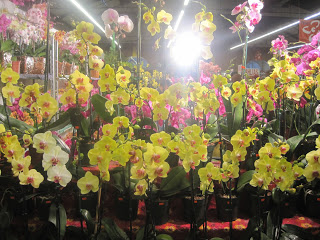
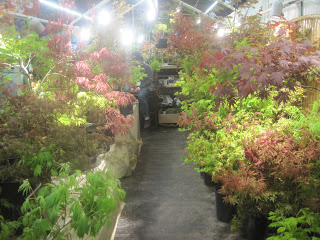
The San Francisco Flower and Garden Show 2012 Visit

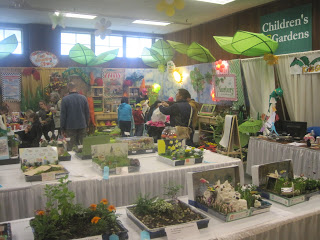
My daughter and I were blessed enough to visit the 2012 San Francisco Flower and Garden show in San Mateo. I was excited, I don't know if my daughter knew what she was getting into, but it was awesome as it was almost four years ago the last time I attended. I remember the lady I purchased our Vanilla planifolia (Vanilla) from as well as our Dischidium pectinoides (Ant plant/Kangaroo Pocket plant) from. She was still there in the same booth space and it was a pleasure chatting with her about my experiences since I purchased those plants form her. Great energy, Great time!
This is a great event to visit for those interested in nature, gardening etc at all levels. From the children's area, to expert seminars, talks, and of course the Marketplace where you can buy everything from seeds and tools to trees and trainings. The only negative marks come from the price of parking ($12), which is over half the cost of a regular adult all day entrance ($20), but the learning experience, people you'll meet and great bargains if you've done your research are worth it in my opinion. If it wasn't raining as heavily I would have taken public transportation, which I do recommend. Enjoy the pictures.

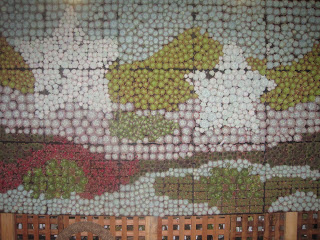
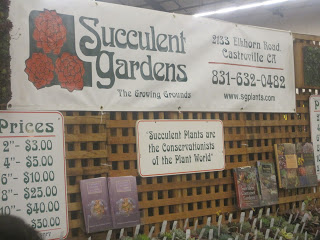
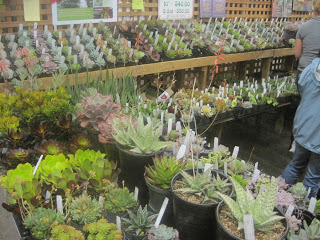
Awesome succulent display by Succulent Gardens.


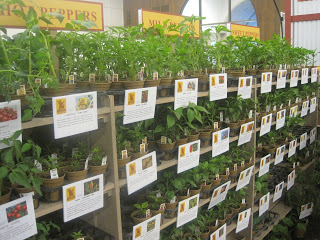
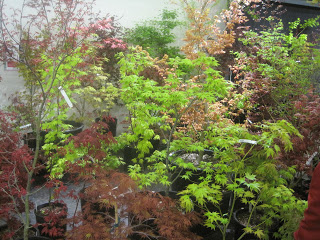
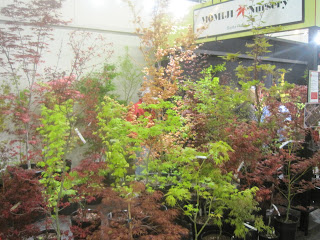
Best price for biggest, healthiest plants for the price. Thanks Sweetwater Nursery!

Some of the most beautifully pleasing displays simply made up of sexy succulents!

Here is a little succulent display action from Succulent Gardens.


Children's area - 'Sproutopia'


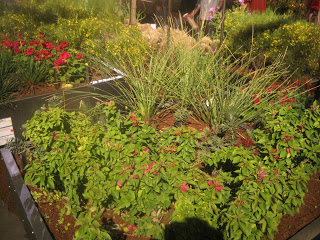
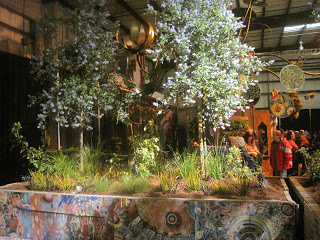
California natives displayed in their natural background with California graffiti.


Under the Chocolate Umbrella Part "Tree" - 3

On our 6th month heading into the 7th of experiments under the Theobroma cacao canopy. Specifically speaking about the soil. The cacao tree is one that thrives under the canopies of Musa (Bananas) and even Coffea arabica (Coffee) among other towering plants, but what exactly thrives underneath and within the soil level is just as important for the survival of every species in existence.
Below you will see the results of two different additives (mycorrhizae and 100% mushroom compost) being mixed into the organic soil composition of what we believe is the Forastero species of cacao. One of the three plants has only been supplemented with additional organic soil, such that can be purchased at your local gardening center or hydroponic store. I will admit that there are a few more high quality options and amendments at our local hydroponic store (South Bay Hydroponics operated by Gardening Unlimited) like Roots Organics potting soil and the Native Nutrients 100% mushroom compost that we're using in this experiment. We started all plants with FoxFarm's Ocean Forest potting soil, but have switched to the Roots Organics Original potting soil. I like the additives in this soil versus FoxFarm's. The Roots Organics smells so good that it's a nostalgic experience every time it hits my scent receptors. It's always a good idea to shop around and keep all businesses in mind. Some of course will specialize in some items and others may carry different products for specific needs.
Here is the analysis so far:
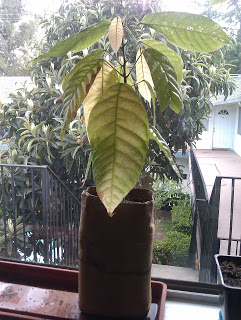
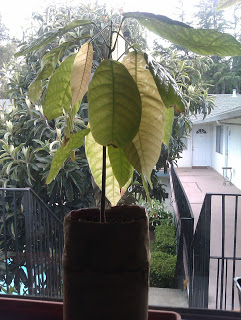
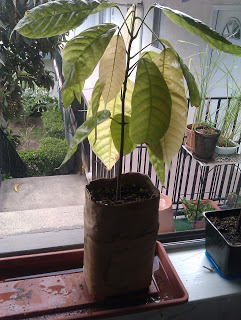
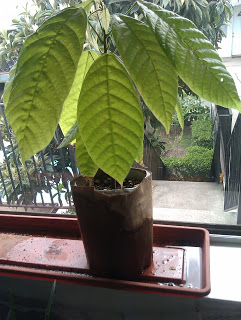
Our controlled cacao plant is growing well as they all are, but there is some yellowing of a couple of leaves including some browning edges here and there. It also has a couple of leaves that surpass 9 inches in length with one measuring in at about a foot in length. It hangs just below the soil line since the control cacao plant is itself just over a foot in height and you can see one or two roots have reached the bottom of the pot it is in.
Control plant with no additives

Control plant with no additives

Control plant with no additives
 The 2nd plant has been amended with the Native Nutrients Mushroom compost. This plant is also about a foot tall, but does not have any leaves over 7 inches in length. There is lot more noticeable browning and leaf burn in this specimen including a higher canopy as it has shed its bottom most leaves maybe because of all the added compost/fertilizer. The plant itself is growing just fine, with a couple of roots showing at the bottom of the pot and in general it looks taller than the rest because of its higher canopy and erect leaves. There is currently no new growth and this plant is not as lush as our next specimen. Here are some pictures of the Native Nutrients sample:
Mushroom compost

Mushroom compost

Mushroom compost

Our last cacao plant was amended with mycorrhizae powder, which should stimulate more of the beneficial bacteria to breakdown whats in the soil and make nutrients available for the roots to soak up at their own pace. It hasn't really shown any significant growth until this go round. The sample is so very lush and green. Almost no yellowing of the leaves and very little leaf tip burn. It is currently shooting out a couple of new leaves well over a foot tall and the plant itself is at about 14 inches tall. You can see 2 leaves that are just about a foot long with many others leaves looking like they can easily surpass that mark since they are so lush and green, basically spotless versus our control sample, which is the only other sample to produce and hold onto leaves this long. The stem on this sample is noticeably thicker as well. Here is the proof:
Mycorrhizae sample

Mycorrhizae sample

Mycorrhizae sample

There are several seeds coming in to us of a new species of cacao and once we receive those we are planning on starting another experiment again to see how different natural scenarios or additives can influence Theobroma cacaos growth. We would love for every family in the United States to own, grow and harvest their own cacao plants at home. We believe this will serve as a great learning experience for all as well as possibly stimulating interest in and conversation about the who, what, where, when and whys concerning our nutrition.

Theobroma cacao - Chocolate plants now available for sale at the T.R.E.E. e-bay outlet.


Getting Started on Growing Cycle 2012

We're starting our garden beds this year with spinach and broccoli. Sweet Bellpeppers are starting indoors along with Eggplant seedlings.
We expect our first crop of Cavendish Bananas this season and possibly some Green Bananas (Plantains) as well. We just finished negotiating our tomato seeds and soy and will be started indoors this week and of course looking forward to the scent of our citrus representatives the Calamansi and Dwarf Orange.
See you soon with what we hope will be fruitful pictures!


Making Dark Chocolate at Home from Donated Cacao Pods

Mother cacao Tree doing very well
Growing right out of the tree  trunk
Slightly more ripe yellow drupes (aka pods)

Fruit of the Gods: Theobroma cacao
This is the mother tree for all of our current chocolate making purposes. This tree is at least 15 years old. Probably a Forastero cultivar or hybrid. We would love to get our hands on a Criollo variety cacao tree, which is known to be one of the original cacao trees offering high quality fruit and beans ultimately leading to a better tasting end product, but it's not all in the genes. Overall tree care, fermentation process, drying and roasting will all significantly affect the taste of your chocolate product.
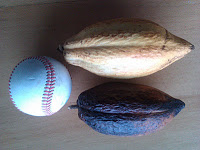
Gives you an idea of the size pods we received.

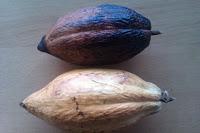
Two cacao pods from the same tree. One ripe and one over-ripe

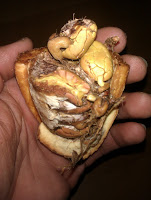
Individual beans after being separated from their womb-like pod

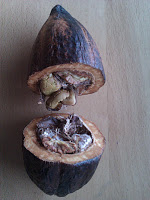
Over-ripe pod with beans germinating inside
The beans in the dark brown pod were useless as far as making chocolate is concerned, but since they had a head start by being germinated already we just planted them in a mix of well draining soil mixed with mushroom derived compost.

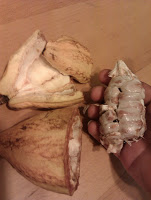
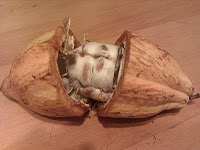
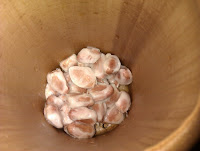
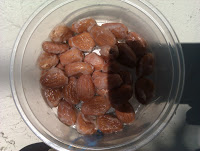
The yellow pod gave us fresh beans with sweet and slightly sour pulp. Very similar taste to the limoncillo (aka Melicoccus bijugatus, Spanish Lime/genip/mamoncillo/guinepa). Most of the pulp was left intact since it is necessary for the fermentation process. After being fermented for three days indoors unlike the typical outdoor fermentation where it is placed between Banana leaves or simply stacked amongst each other. After fermentation we completed the drying stage naturally in open air under the sun then roasted the beans in order to separate the outer shell from the nibs and also to complete the drying and get just the right chocolatey, nutty flavor. Then during the processing you can add other ingredients such as vanilla, cinnamon, nutmeg, etc. This is where we will be experimenting with several pods in order to see what taste profiles we end up with. The first batch came out okay, but the next few batches will get spiced up a bit. Here are some more pictures of the original pod and our end result, which was powder cacao aka cocoa.

Succulent moist pulp

Now that's ripe!


Here are the goodies. Beans are said to start fermenting as soon as they're exposed to oxygen.

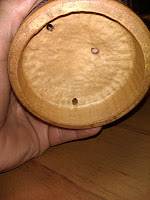
Some breathing and drainage holes for disintegrating pulp.

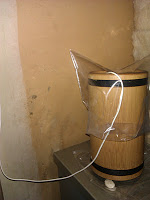
Keeping the beans warm and cozy along with trusty thermometer line
After three days fermenting. Already smells like alcohol.

After drying in the sun for two days. Now it really smells like alcohol.

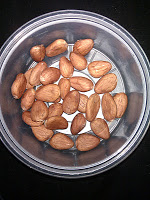
These are the beans after roasting and removing the shells.
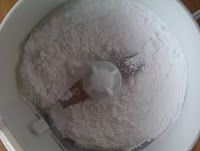
Start with some sugar in a coffee blade grinder. Going for a 70/30 dark chocolate

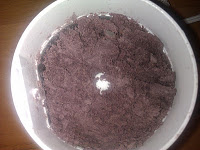
After adding the cacao beans we get a nice cocoa powder.

Renegade arborists creating "forbidden" fruit in San Francisco

Trees make the urban landscape more pleasant. They shade the sidewalk and provide space for birds to roost. But they don’t usually produce fruit — and that’s something a secretive group of amateur horticulturalists is looking to change.

Story by Amy Crawford - SF Examiner Staff Writer - Read more at the San Francisco Examiner: http://www.sfexaminer.com/local/2012/01/renegade-arborists-hope-sow-fruit-trees-san-francisco#ixzz1jS7WX3uz

The story is very interesting to me at the moment because grafting of fruit trees has been my latest subject of interest. I had been after the "West Indian" avocado here in California for some time. I can't say I have ever seen it here, but I know they exist in the east coast of New York City and definitely in the islands of the Caribbean. This particular cultivar is much larger and rounder than any of the Hass varietals we are used to seeing grown here in the west coast of the U.S. It is also much lower in oil content, shinier and has smoother skin compared to the darker wart like skin of the Hass. There are many other cultivars like Fuerte and Zutano, which all have a slightly more pear like appearance as far as shape, some may have yellow specks on their skin like beautiful accents that attract both animal and human in my opinion and they originate from Mexico and Guatemala vs the more tropical climates closer to the equator.

Thanks to my Mother I now have my very own West Indian/Caribbean avocado seed, but there are issues to growing them here in California. These avocados have gotten used to the tropical climate and don't handle salts/fertilizers that well, but fortunately for me there are plenty of other avocado varieties that grow well in our soils and are highly salt tolerant obviously since they are commercially grown. The idea is to use what is called the "hardier" (robust, able to handle more difficult conditions) root stock of a locally grown Hass avocado and "graft", which is a process of literally amputating a limb and attaching the my West Indian variety there instead. Not a simple process, but it should work. I still have to grow it indoors so it will be protected as a seedling until it has aged enough to start producing fruit. Then it will be combined to the Hass root stock. We shall see. Another effort to bring lesser known, but delicious tropical fruits and education to our tables.