Arroz y Habichuela - Rice and Beans

Arroz y habichuela are rice and red beans in particular to Caribbean Latinos, but rice and beans could mean many different types of bean to people from different parts of the world. They range and can be broad beans to the red, green, pigeon, black eye etc but at the end of the day they provide nourishment to keep most of the world functioning. Even though beans are relatively inexpensive to grow and harvest they diminish in importance to those that need it most in the drier environments because of the scarcity of water needed to cook bean (not including string beans). String beans are usually any beans taken off the vine just before ripening to be eaten green. At this stage the beans inside the pods are pretty tender and tasty already. When left to mature and ripen on the plant then the beans become true seeds as well as individual beans that will need moisture in order to be palatable.
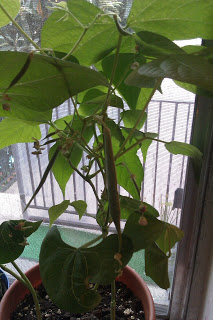
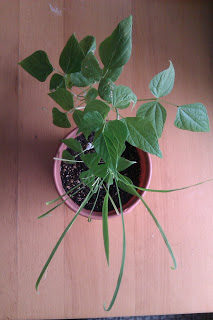
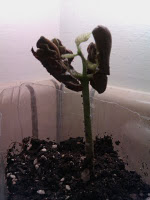
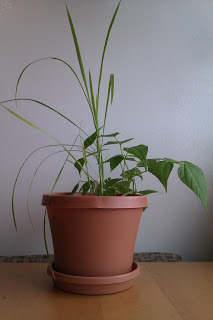
This in particular is medium grain rice plant with red pinto beans plant.
The owner of this planter here should be able to eat a first meal in about 2-3 months.
This string bean is ready to go, but most likely will be harvested as dry beans.

Another shot of the Superhero - Rice and Beans!

Machete Power!

Machete Piece by Mathmatiks...Gift from David.
Thank you David for this most awesome wedding gift! I wear it almost everyday. When I don't it's simply to not attract so much attention. It is a beautiful piece and has come to symbolize to me the power of the machete wielding people of the world who work the land.

Check out the Zombie Survival Kit Collection at Mathmatiks.com. Great work as always from the fellas at Mathmatiks.com.

That's Chocolate.

  Happy 12/12 2011. Here is some advice to help make your days happier. Get your hands on some quality chocolate like "Michel Cluizel - Noir au Grué de Cacao". I found it at Whole Foods. It's a dark chocolate that I just tried for a second time. It's stated to be no less than 60% with cacao bean pieces in it, which gives it an awesome crunchy and nutty mouth-feel. It is almost perfect to me and I wish you all can experience your own satisfaction of enjoying a few pieces of dark chocolate after a meal for example. Versus having a Snickers for brunch on the run. I love Snickers andKITKATs, but regardless, the quality and taste is unparalleled and to have thousands of chocolates to choose from... Oh Life is good.

Just make sure it's a darker chocolate and if it has got pieces of cacao in it then it'll really lend you it's antioxidant and nutritional potentialities. Enjoy. I will.

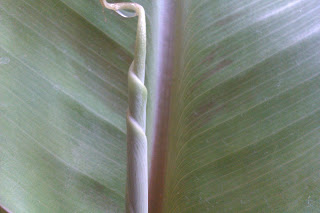
Going Bananas over Bananas!

"Dominicano Soy" (in the voice of Fernandito Villalona) so you know I love Bananas!

"Dominicano Soy" means "I am Dominican" literally, but the real meaning is expressed by Fernandito Villalona in his famous songs, which exemplify being Dominican. Just like the Bananas and Plantains that have become symbols of our island country. Any Dominican will testify of being called a "Platano" and finding that breath of air deep in their lungs to shout back, "You can say that again!". I mean what's the harm? We Love Platanos particularly because they have always been that mainstay breakfast, lunch, dinner food in our plates. Boiled until it softens and eat. Boiled and mashed with a little butter and milk and eat it before I do: "Mangu" is the equivalent of mashed potatoes! Uuwee! Cut in lateral chip slices and fried or cut, lightly fried, smashed and re-fried so that they get a crispy texture and you've got "Tostones". You can call me a "Grandiose Tostone" any day!
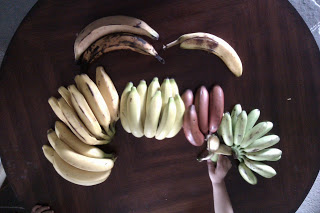
Yellow Bananas are my daily sidekicks! I don't know what I would do if I could not have a banana by my side. That's why I had to grow my own. There's nothing better on the run than a banana. Sometimes in the morning when I don't really have an appetite for anything, but I know I must eat something, "Tantarataaa!!" "Bananas to the rescue!" And not just any bananas. You should try some of these delicious options if you see them next time at your farmers markets or grocery shelves. I think they all taste so much better/different than the bulk yellow Cavendish you always see in bulk, but that is my opinion. Go check it out for yourself or you'll never find...
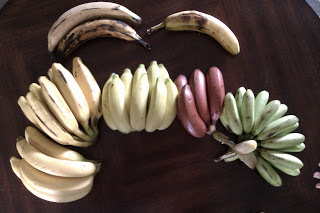
Top Left: Green Plantains gone ripe to brownish yellow/black. Top Right: Over-ripe bulk Cavendish Banana. Bottom Left to Right: Yellow bulk Cavendish Bananas, Burro Bananas, Colombian Manzano Bananas, "Reds" Bananas, Baby Orito Bananas

Even the kids can't even keep their little hands off of them!
I am sure you all know what the bulk Cavendish banana tastes like and the Burro banana was creamier, fatter, sweeter and shorter. Compared to the Cavendish the Colombian Manzano was creamier, but not as much as the Burro. It was shorter and even though the banana was yellow, it was not ready to be eaten. It gives off a very starchy taste that will dry your mouth out, but when ripe and the peel is bursting at the seams it will taste delectable. The Reds were not ripe yet, but could be eaten. It is best to wait until this banana gets deeper color, almost purple. Today they haven't totally darkened, but they taste very sweet and creamy. In-between the creaminess of a Burro and Manzano and also has more of an orange color inside versus traditional lighter yellows. Maybe that is where that taste is coming from. A strong under current taste like vanilla or something very different than all the others I've tried. If anyone knows please pass it along. The last and certainly not least in this picture in the smallest of the bunch, the baby Orito bananas. These were actually my favorite because you can just pop them in your mouth and some of them were as sweet as candy. Very thin outer skin, with what was a perfect texture for me (not too creamy, not too dry) and then a little snap at the end of the bite as if you ripped a vine or cord from within this fragile banana. Just perfect to me.

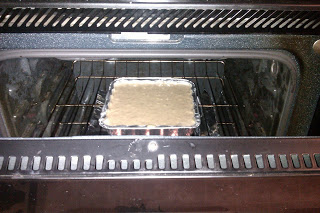
...And you can always make banana bread. I also added semi-sweet dark chocolate chips.

New Beginnings for the T.R.E.E. Center


Guandules, Habichuela (pinto beans), Vanilla, Sugar Cane...

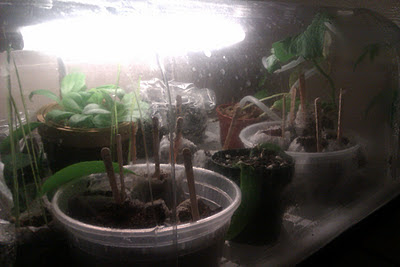
You can see the Hygrometer poking into the picture on the upper left-hand side. That instrument reads of Temperature and Humidity.

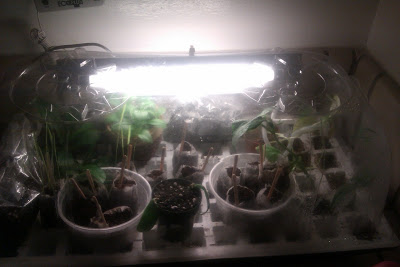
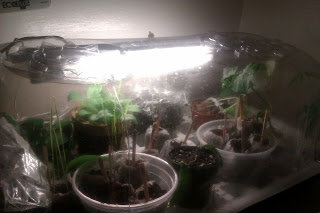
One of the T.R.E.E. Centers systems at near full capacity.

Enclosures of this sort are necessary to start many of the tropical plants as well as seedlings in general. They all respond very well to increased humidity and  higher temperatures during these stages.

Under the Chocolate Umbrella Part II

Experimenting with different soil organics under the Theobroma cacao canopy - It was exactly two months ago that the first part of this experiment was presented. We started 3 cacao (chocolate) seeds in FoxFarm's Ocean Forest potting soil. One was left in the Ocean Forest soil only, the 2nd received a 1/2 teaspoon of Great White - Mycorrhizae, while the 3rd sample was supplemented with Native Nutrients 100% Mushroom Compost.
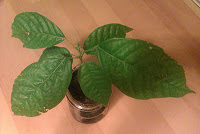
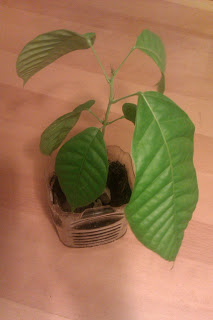
After only 2 months of growth we have noticed some measurable results.
Our control cacao plant in only potting soil had much more vigor and growth than the sample with added mycorrhizae. Mycorrhizae does not supply any nutritional value so as of this month we will be adding fresh potting soil on a monthly basis along with the continued supplement of 1/2 teaspoon of mycorrhizae and growth will continue to be documented. The control cacao did NOT receive any added soil until this month, so if the mycorrhizae has any effect, then it should illustrate itself in its sample for it is the only variable between the two.
Cacao with mycorrhizae supplement
Control cacao with only Ocean Forest soil
 The mushroom compost seemed to have a positive impact on its cacao sample. It shows the most significant growth in thickness of stem, deepest green leaf coloring and significant noticeable root growth. The only noticeable negative was considerable leaf burn. There was also some noticeable leaf damage on the oldest leaf only of the mycorrhizae fortified sample and NO leaf damage at all for the plain Ocean Forest soil sample. Interesting, but I have no clear reasoning for this yet, but it one effect being observed and documented.
The sample with added mycorrhizae is about one leaf behind the others and most of its leaves are smaller even they all germinated and have grown pretty consistently with each other until we started this experiment. We will keep an eye on this most wonderful economical plant. There is so much more to be learned from it.
Cacao sample with added mushroom compost

Mushroom compost view 2


Mycorrhizae sample view 2
Control cacao sample view 2
Root growth exhibited only by mushroom compost sample

Did you know that raw cacao benefits human longevity and health without negative side effects?

Unlike processed dark chocolate, antioxidants are preserved in raw cacao. Benefits from keeping organic chocolate unheated include; much higher levels of the famous chocolate antioxidants (oligomeric procynanidins, resveratrol and the polyphenols: catechin and epicatechin) as well as the preservation of vitamin C, phenethylamine (PEA, the feel good neurotransmitter responsible for the feeling of love!), Omega 6 fatty acids (which when heated become rancid and cause inflammation), tryptophan (a commonly deficient amino acid in those who consume a diet of mostly cooked food) and serotonin. The cool facts about chocolate in this article reveal how this fun and amazing superfood is actually healthy for you!
It turns out that all the bad things commonly attributed to non-raw chocolate bars, such as cavities, weight gain and diabetes, are actually caused by the dairy, sugar and others fillers added to the dark chocolate. Health benefits of chocolate when it is in the form of raw cacao beans, butter, nibs and/or the powder include; weight loss (because of its high chromium and coumarin content), prevention of cavities (theobromine actually kills streptococci mutans one of the strains of bacteria that cause tooth decay) and regulation of blood sugar which is beneficial for diabetes (chromium can naturally regulate blood sugar). Also raw cacao benefits the heart and the entire cardiovascular system as a whole.
Cacao is the highest whole food source of magnesium, which also happens to be the most deficient mineral in the diet of modern cultures. Magnesium relaxes muscles, improves peristalsis in the bowels and relaxes the heart and cardiovascular system. The dark chocolate antioxidants have been clinically proven to literally dissolve plaque built up in the arteries which helps in reversing heart disease and causes naturally lower blood pressure. Also, various other vitamins and minerals in raw cacao benefits the cardiovascular system.

Take a look at the "Secrets of Longevity" web site for the rest of their article: Did you know that raw cacao benefits human longevity and health without negative side effects?


 Also....This from Naturalnews.com:


Reposted from NaturalNews.com: Swedish researchers have contributed the latest glad tidings to a growing number of studies indicating chocolate is beneficial for the cardiovascular system. According to a study published in the Journal of the American College of Cardiology, scientists found that women, who ate the most chocolate, had a 20 percent reduction in their stroke risk: USA Today reports. In this case, the quantity consumed was approximately two candy bars per week.
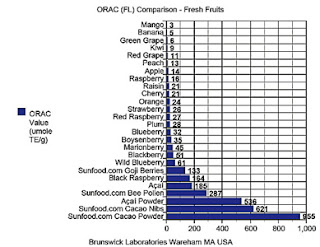


The antioxidants value of foods listed are expressed in ORAC (Oxygen Radical Absorbance Capacity) units. A measurement for antioxidants developed by the National Institute on Aging in the National Institutes of Health.

Author Susanna Larsson explains that the healthful components of cocoa are compounds called flavonoids, which have antioxidant activity and the ability to impede the harmful oxidation of low-density lipoprotein (LDL), known as "bad cholesterol." Since the oxidation of LDL leads to the formation of plaque that causes cardiovascular disease, the hindrance of this process reduces the risk of stroke. In addition to this advantage, previous studies have shown dark chocolate consumption can lower blood pressure and insulin resistance, as well as help prevent the formation of blood clots.

In spite of the positive findings, Larsson cautions against eating too much chocolate. She advises that it be consumed in moderation, due to its high content of calories, fat and sugar. Larsson also states that dark chocolate is superior to milk chocolate because it has more cocoa and less sugar.

The researchers at Karolinska Institute studied 33,000 women between the ages of 49 and 83 over a 10-year period. Scientists compared data from the participants' questionnaires about their chocolate consumption with their stroke risk to determine if a correlation existed. Results revealed the more chocolate the women consumed, the less stroke incidence they incurred. The findings were significant because those who ate 2.3 ounces of chocolate per week had a 20 percent reduced stroke incidence compared to those who seldom ate chocolate.

Although the study does not prove chocolate was responsible for the reduced incidence, after controlling for other stroke risk factors, the results persisted: Larsson relayed to CBS News. Additionally, she expects the results to apply to men also. Regardless of the suggested benefit, experts are advising people to keep the results in perspective and not substitute chocolate for vegetables.
Under the Chocoalte Umbrella - Experimenting with different soil organics under the Theobroma cacao canopy

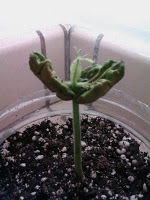
I started three cacao seeds that were passed on to me from a cacao tree in the San Francisco Conservatory of Flowers. The first seedling was the control and potted only with Fox Farm's Ocean soil, the second seedling also with this soil, but I added beneficial mycorrhizae in powder form. The last seedling received and will continue to be fed "Native Nutrients 100% Mushroom Compost" alongside it's Fox Farm Ocean mix. All 3 plants will be kept on an East facing window with morning light exposure at around 50/50 light to shade until about 11a and then on until sundown they will have bright shade. Indoor temperatures average around 72 degrees (f) with between 62-78% humidity in it's placement within the kitchen. With cacao plants growing so well under shade it is quite obvious that their relationship with beneficial bacteria and fungi is essential for it's basic survival and growth.

There are only a two variables that can interfere with results like depth of the pots (not likely, but easily visible if it becomes a factor) and the fact that one of the cacao seedlings (in mushroom compost mix) after removing its dried out, outer brown skin looks to be a pale green bean versus the reddish brown undercover pigmentation of the other two beans.
We shall see. I've read, "The Chocolate Tree - A Natural History of Cacao" by Allen M. Young and if you're interested in chocolate like I am then you should at least read this through once along with "The Chocolate Tree: A Natural History of Cacao" (Smithsonian Nature Books), which seems to be a different book by the same author.
Control Bean "A"

Bean "B" w/ Mushroom compost
Bean "B" picture 2


Bean "C" w/ Mycorrhizae
Bean "C" picture 2
Control Bean "A" picture 2

The Tropical Reserve & Economic Education Center (T.R.E.E.)

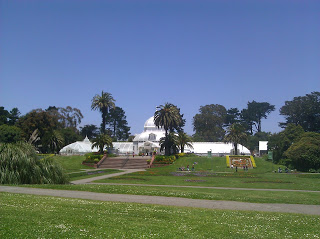
Welcome all to the Tropical Reserve and Economic Education Center or better known as T.R.E.E. for various reasons. This effort was partly spurred on by my personal on-going horticulture and botany studies supporting the San Francisco Conservatory of Flowers. The SF Conservatory of Flowers in Golden Gate Park is one of the first wonders you'll see when entering through Fell Street, which turns into John F. Kennedy Boulevard inside the park. Though this blog is not about the S.F. Conservatory we do strongly recommend everyone visit because were it not for its energy none of this would have been possible. I am also a docent there so I can go on and on about this most classic Victorian piece of paradise. Many plants have also been donated by SF COF to T.R.E.E. while others were grown from seed, cuttings or purchased as immature plants. 
The SF Conservatory of Flowers
I have been growing plants ever since my first memories of getting dirty with pigs and chasing fluffy chickadees around our land. That was almost 30 years ago when I first remember visiting my family in the northern countryside of the Dominican Republic (island of Hispaniola) even though I'd been told I was traveling to and fro ever since I was born. Flash almost 20 years later in life while growing up in Queens, NY I remember waking up one early dawning morning from a most wonderful dream that took place back on the tropical island and I never ever had felt such a saddening disappointment about being physically in NYC and not in D.R., but I learned one grand lesson. I am deeply connected to that place and I feel the need to support it with my passion for its tropical nature. Well, I should also state that the need to educate our growing population since it has been ballooning exponentially in the last 200 years is also another factor that comes into play. Some numbers: Approximately 500 million people on planet Earth in the year 1650, 1billion people in 1850 (pop. doubled in 200 years), 2 billion in 1950 (pop. doubled in only 100 years), by 2000 our world population was estimated at 6.4 billion (tripling population in the billions in merely 50 years) and we await any day now as, "Crowded, stretched world awaits 7 billionth baby". Per Reuters reports on October 25, 2012.
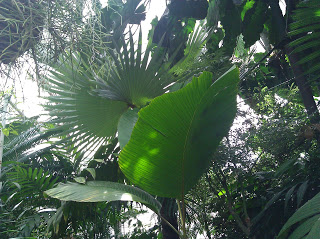
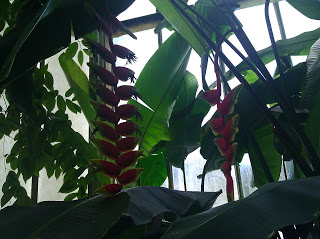
Back to what's important...tropical nature and of course all of its capabilities to clothe, shelter and adorn us. All the unknown and of course obvious medicines provided by them, the nourishing qualities from seeds and roots to flowers and fruits and oh yeah almost forgot about it's role in purifying our air, water and effect on climate! Preserving these qualities to pass on to our offspring and sharing the beautiful stories of the people fortunate enough to have them in their life experiences. That is why the Tropical Reserve & Economic Education Center exists today! Check out some images below from the San Francisco Conservatory of Flowers.
Lilies in bloom in the Aquatic gallery.

The Splendid Stilt Palm maturing quite nicely.

Heliconias looking for some action.

Aquatics Gallery: Lower pond.

The Ipe wood display cases in the Highlands gallery.