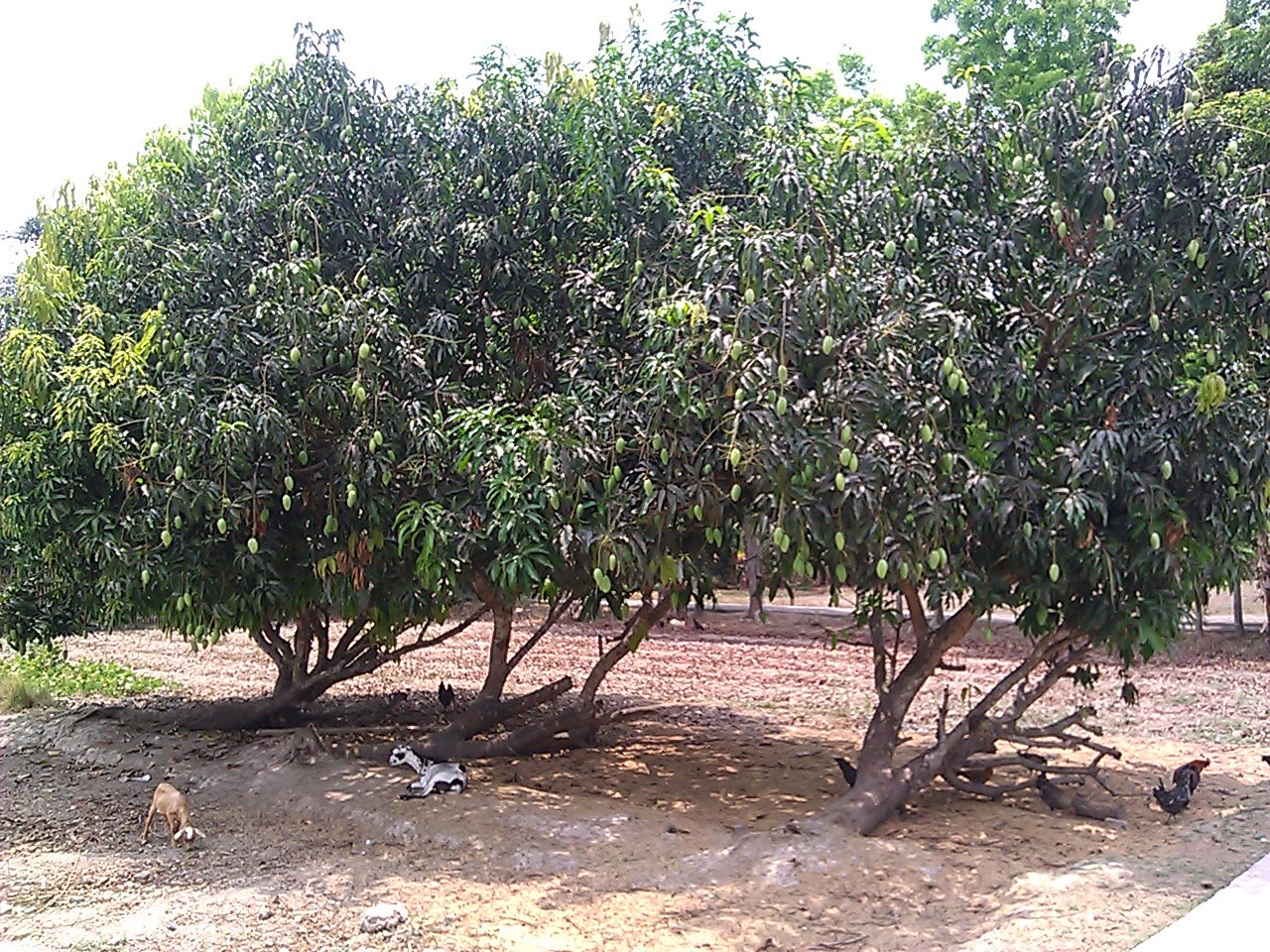
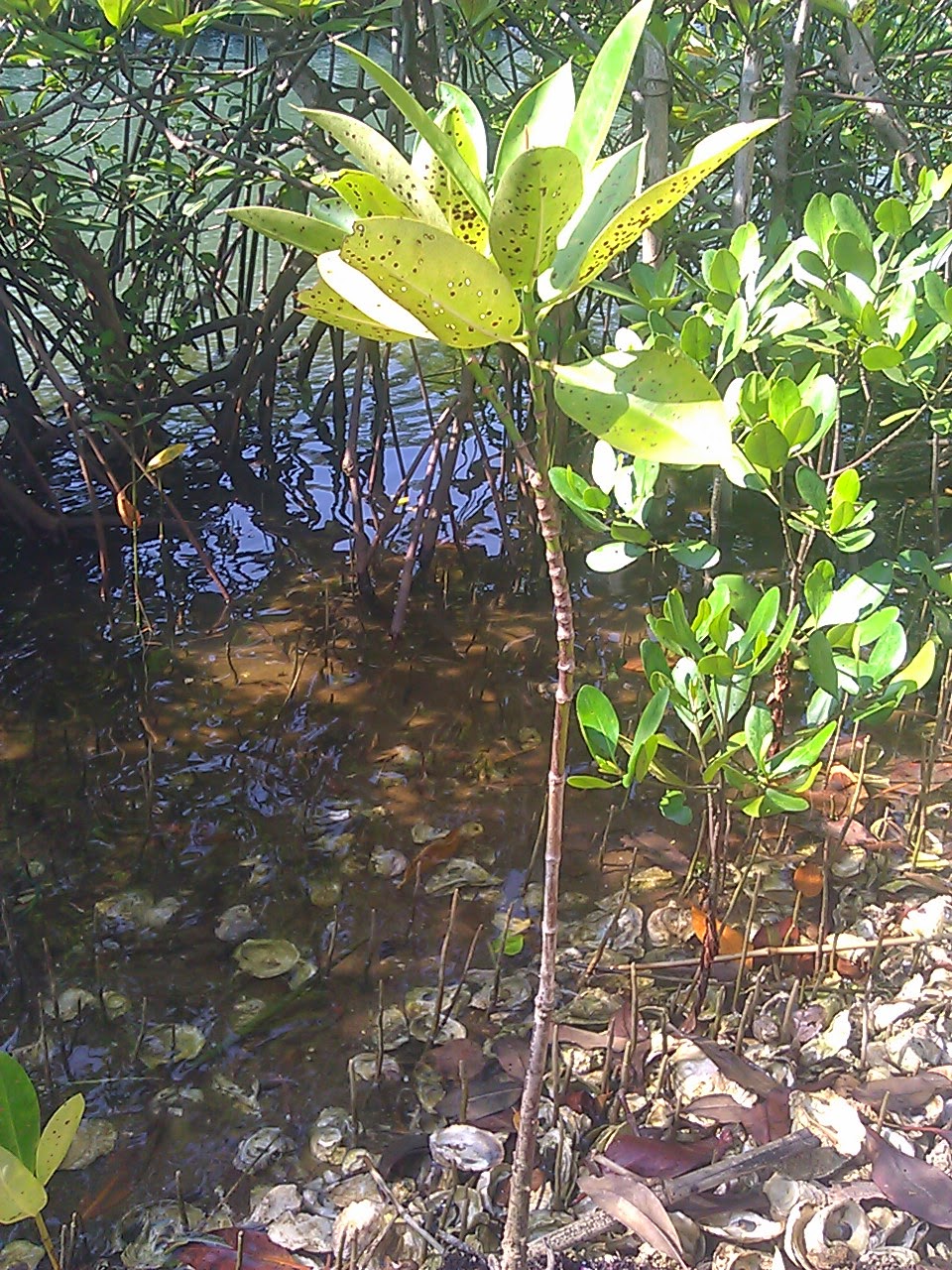
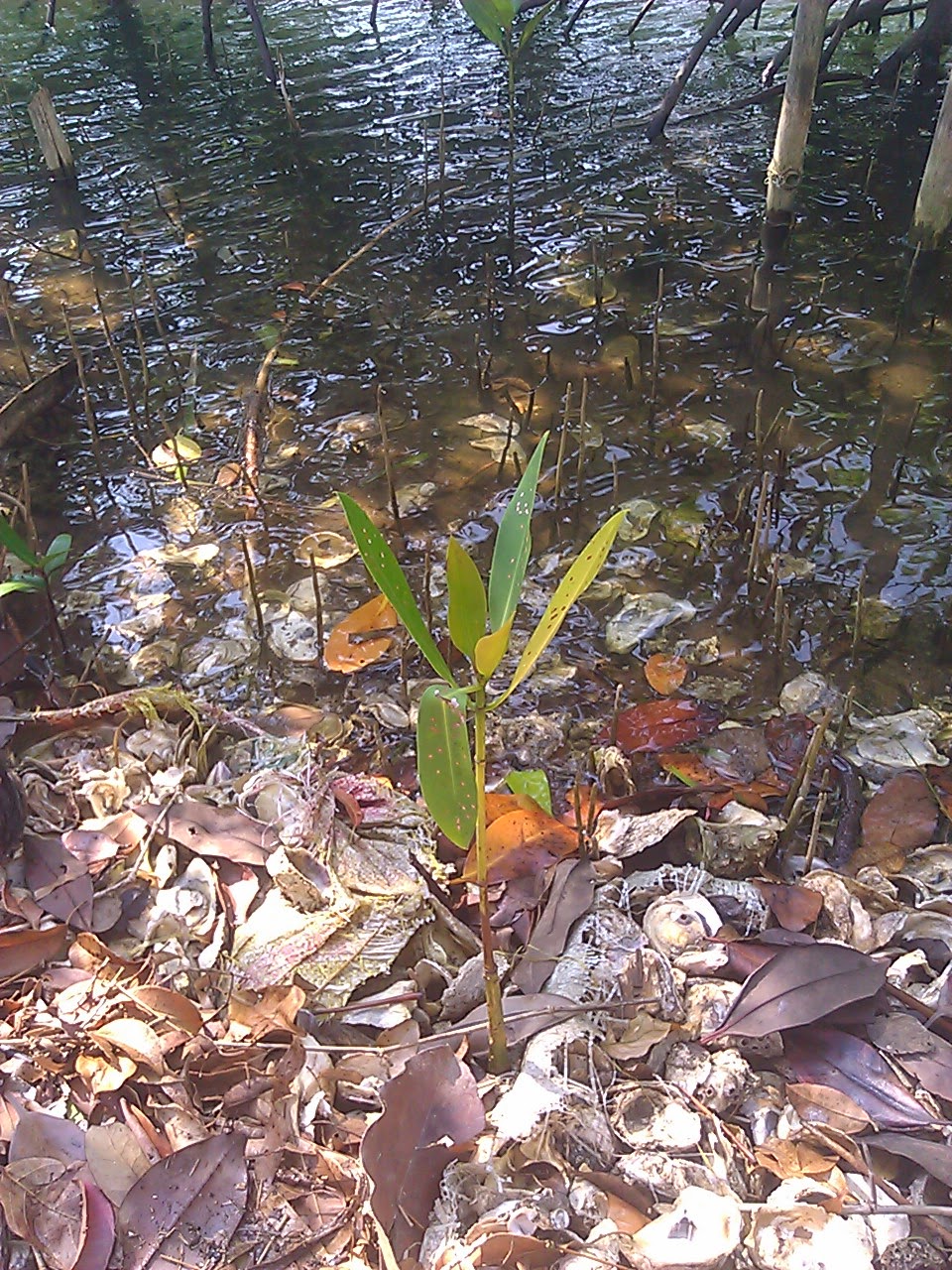
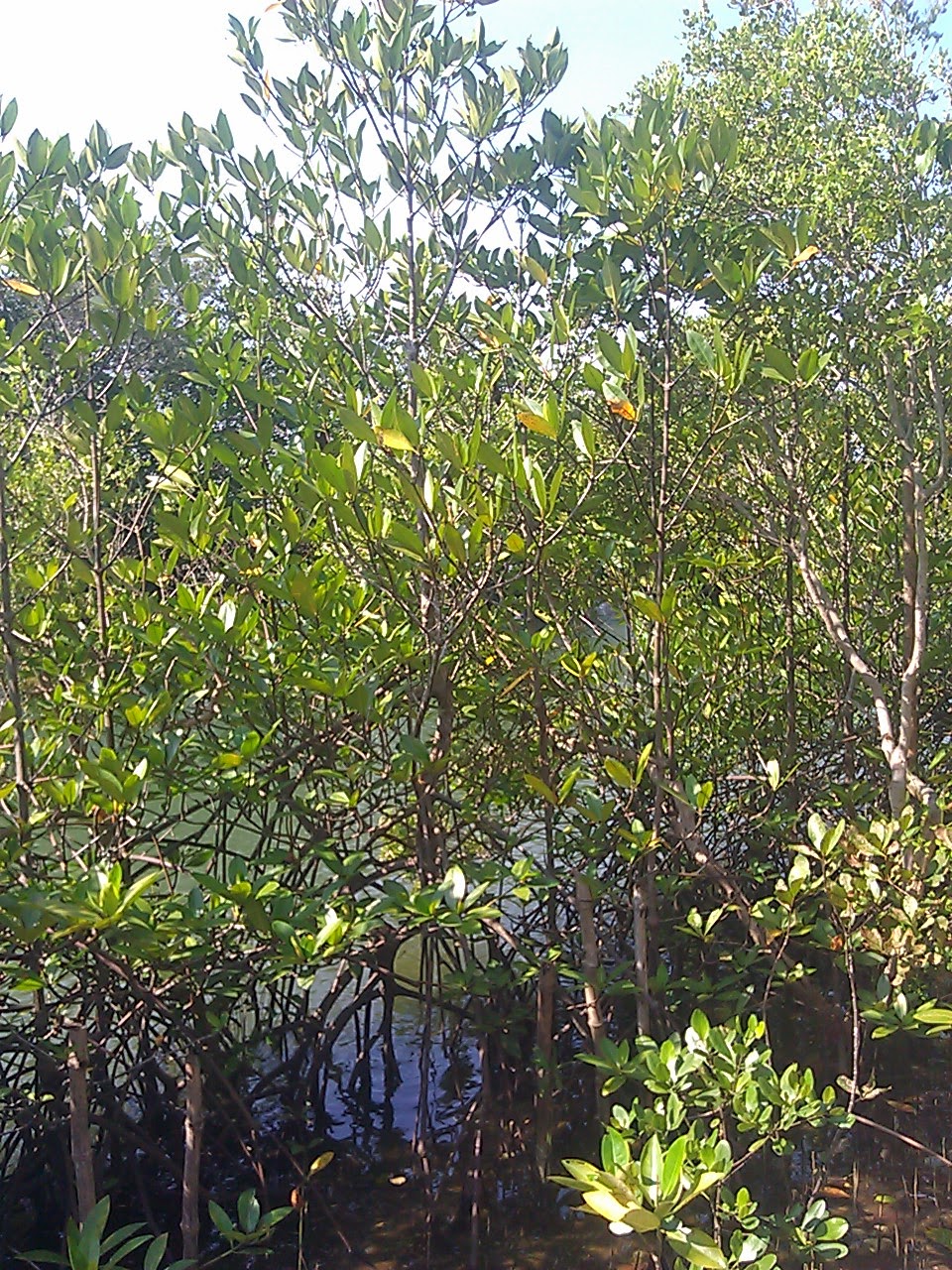
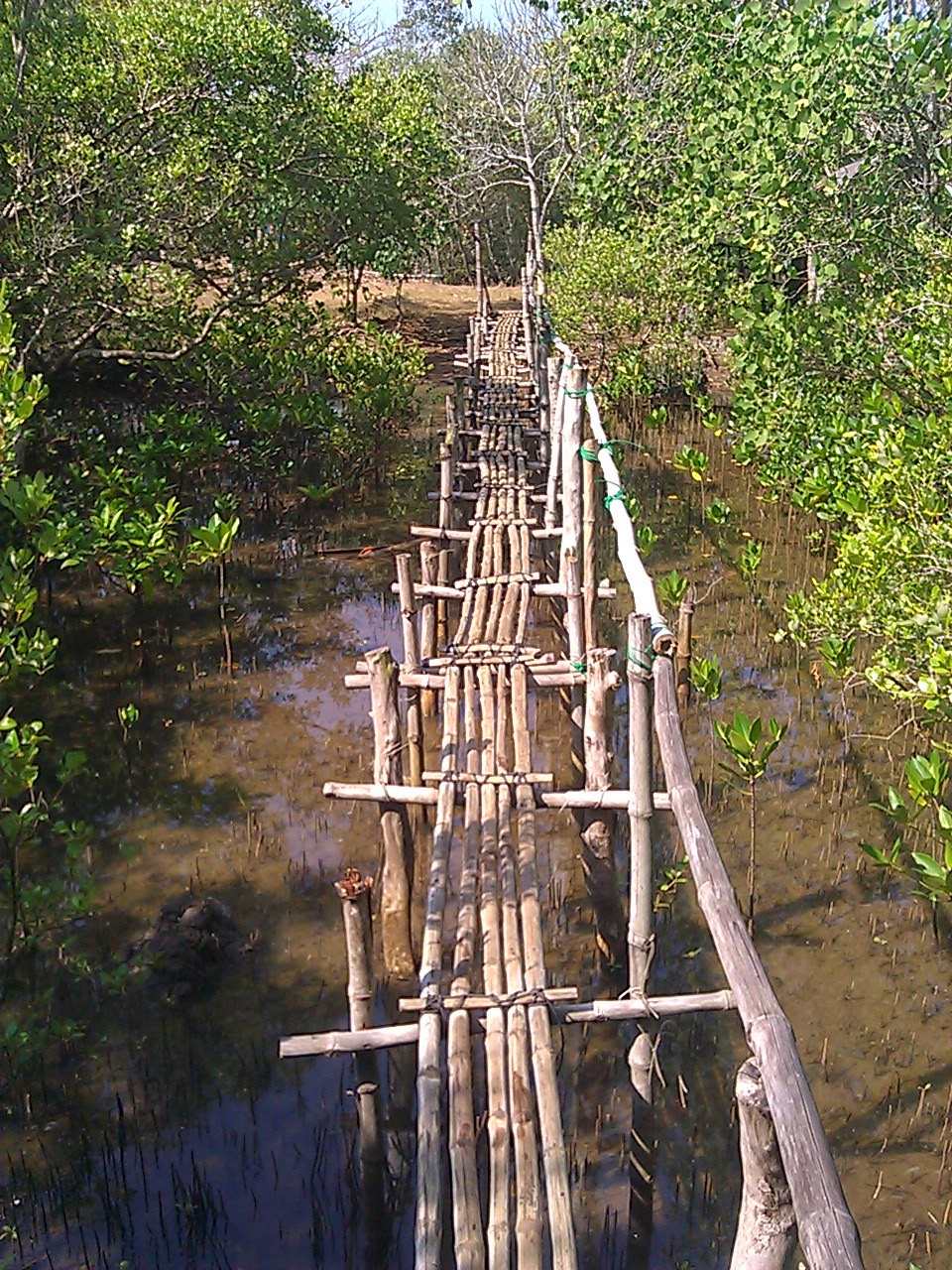
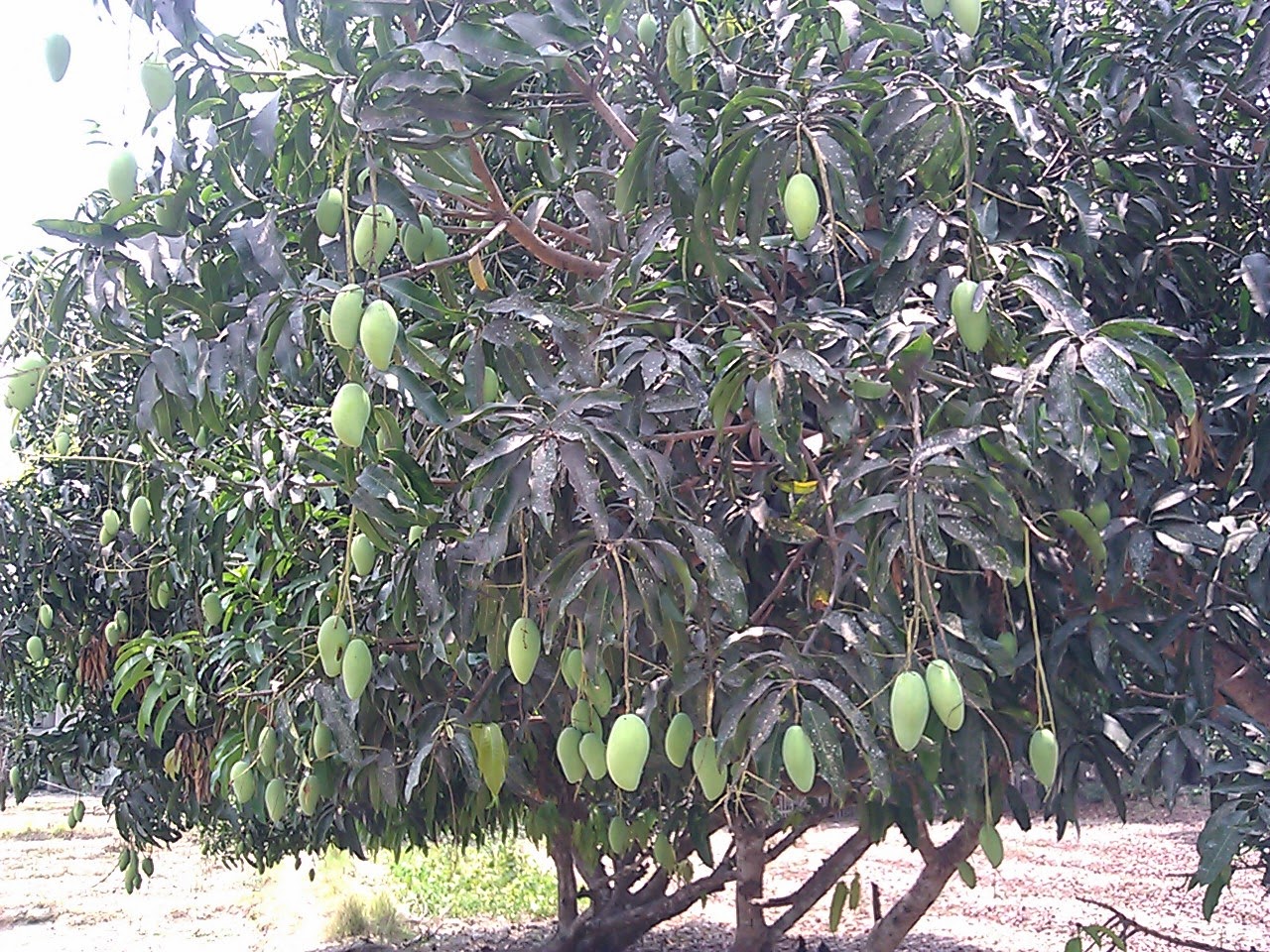
Mangroves
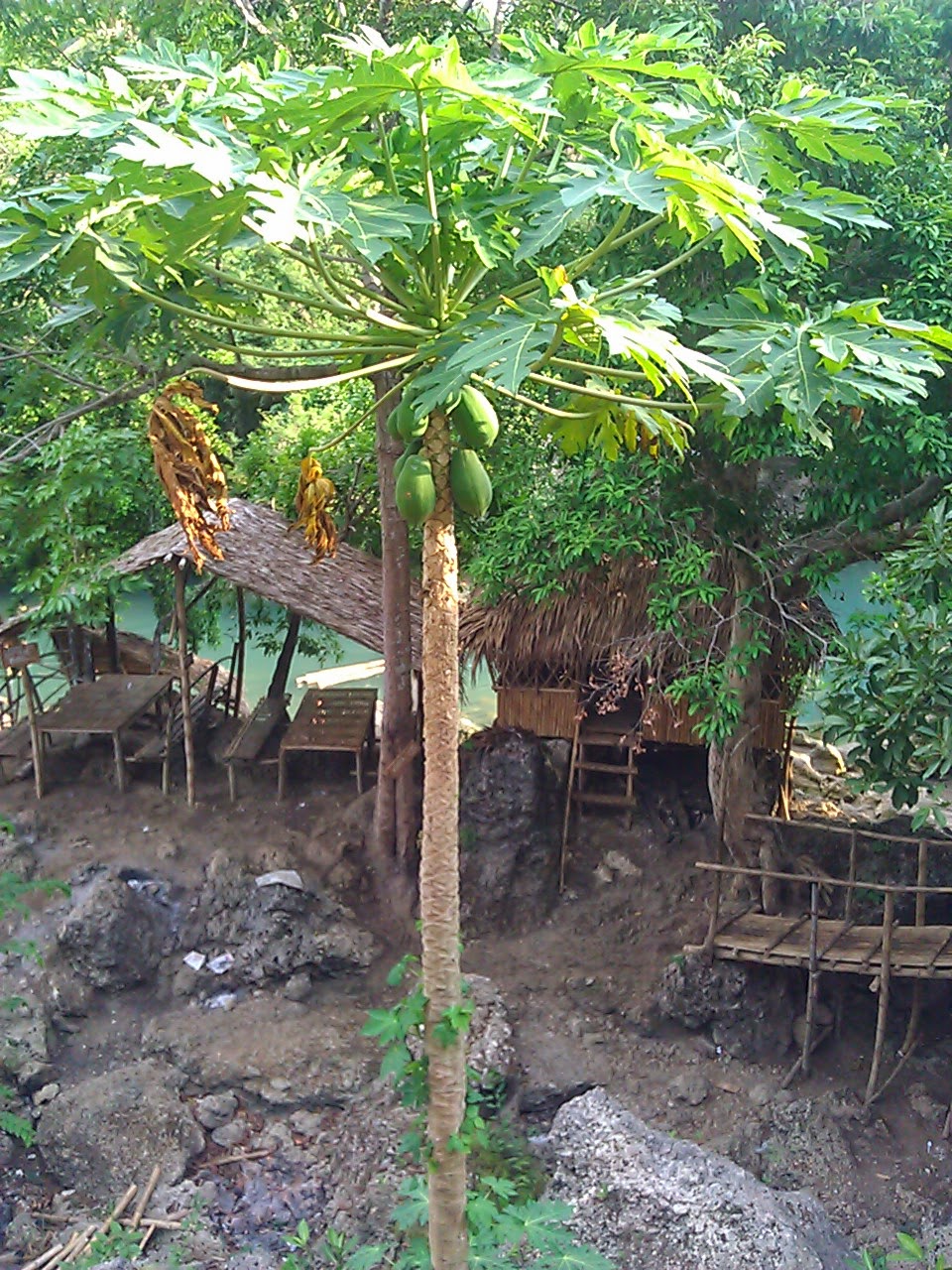
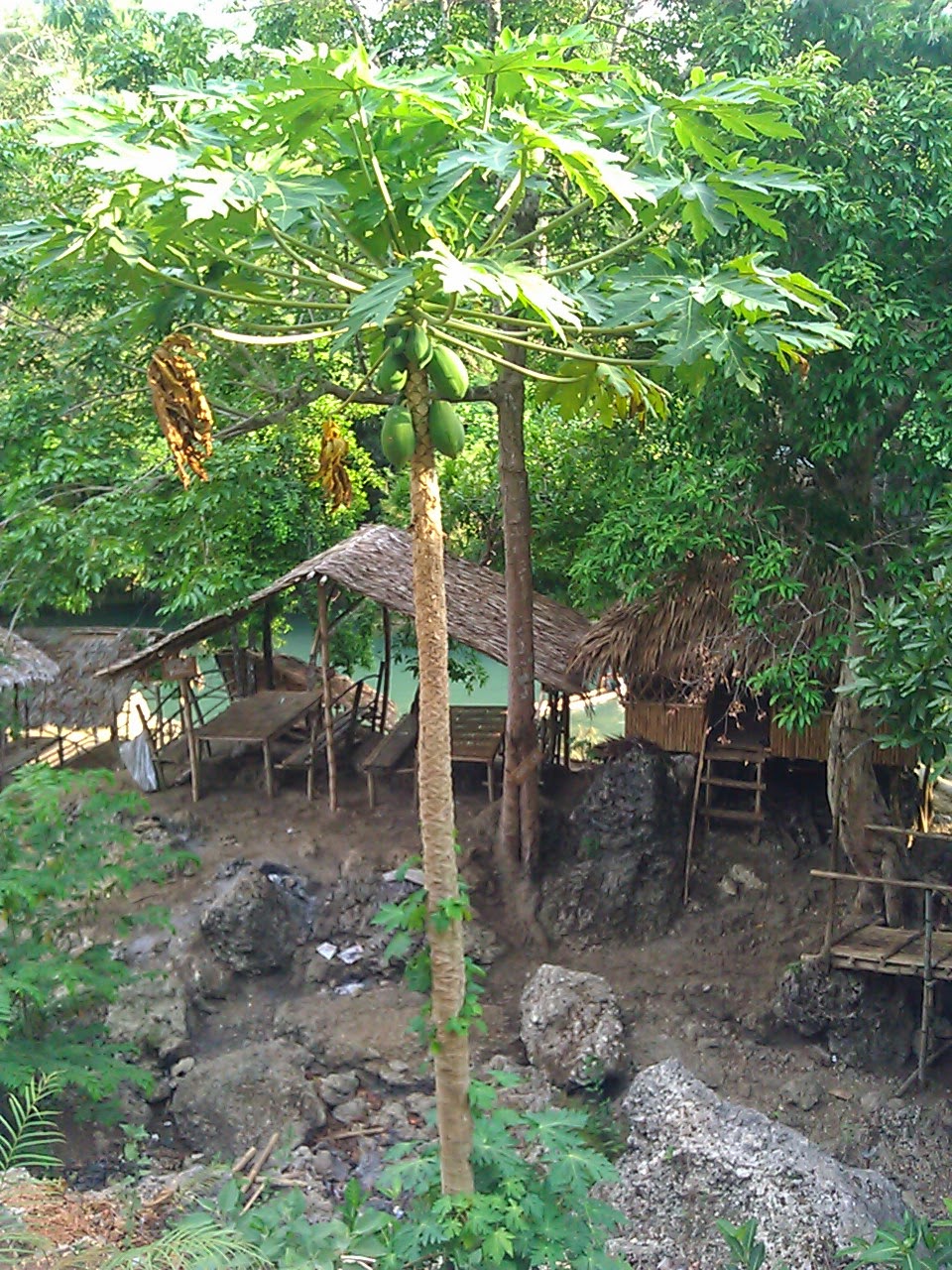
Tall Lanky Papaya
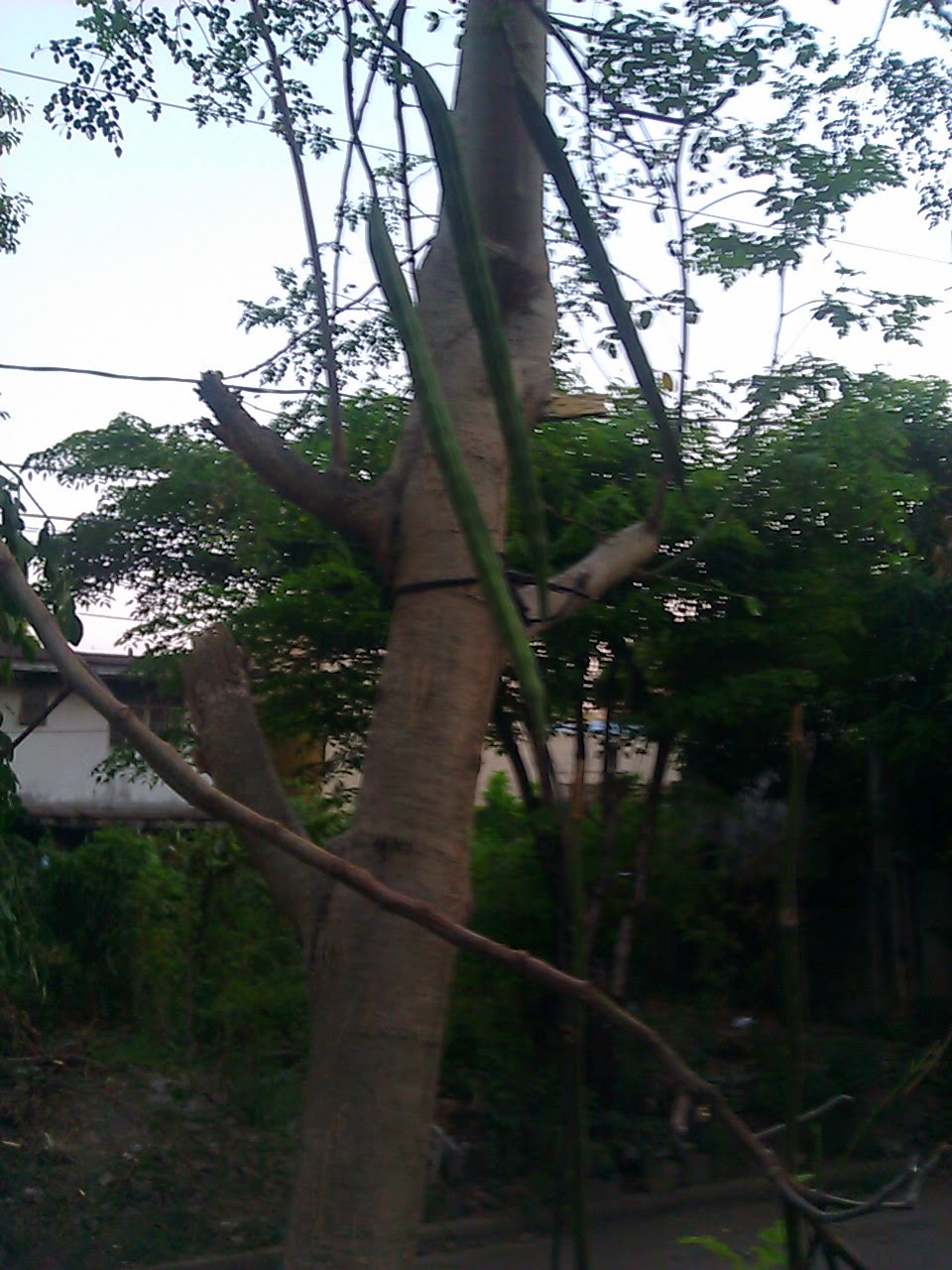
Moringa Tree & Pods
Tropical Fruits of the Philippines
Tropical & Exotic Fruits of the Philippines: http://youtu.be/T_QjEs47xr0
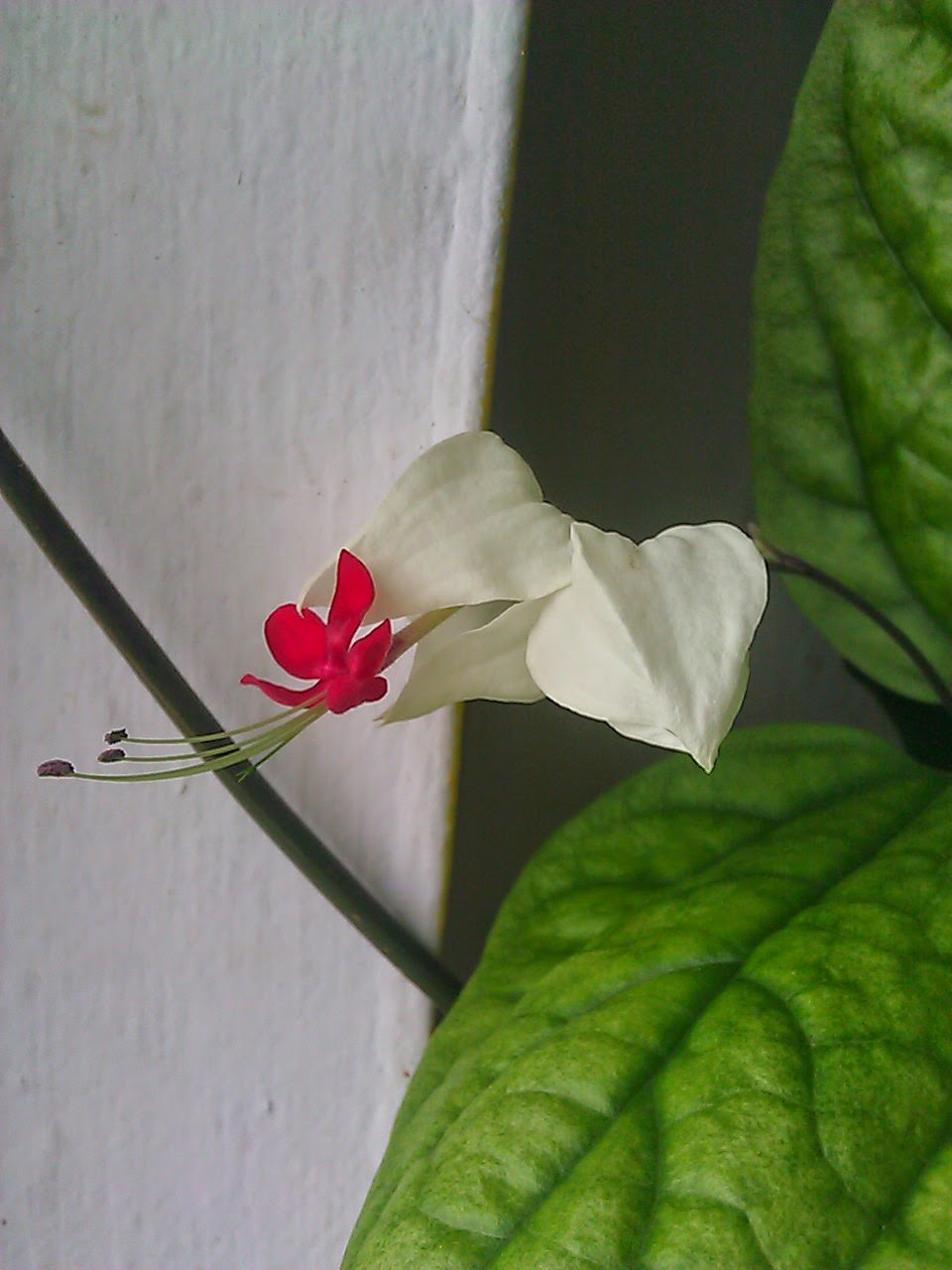
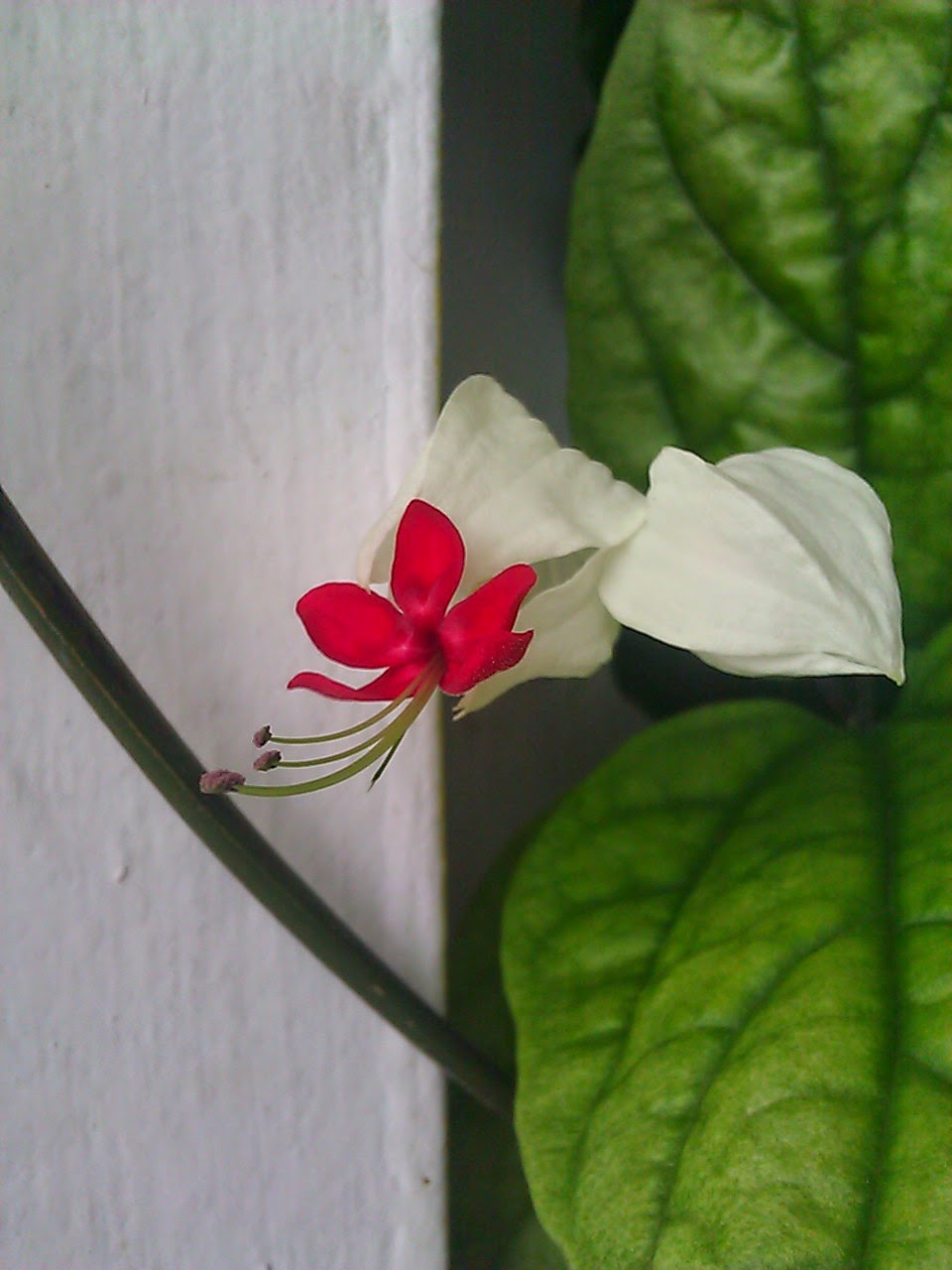
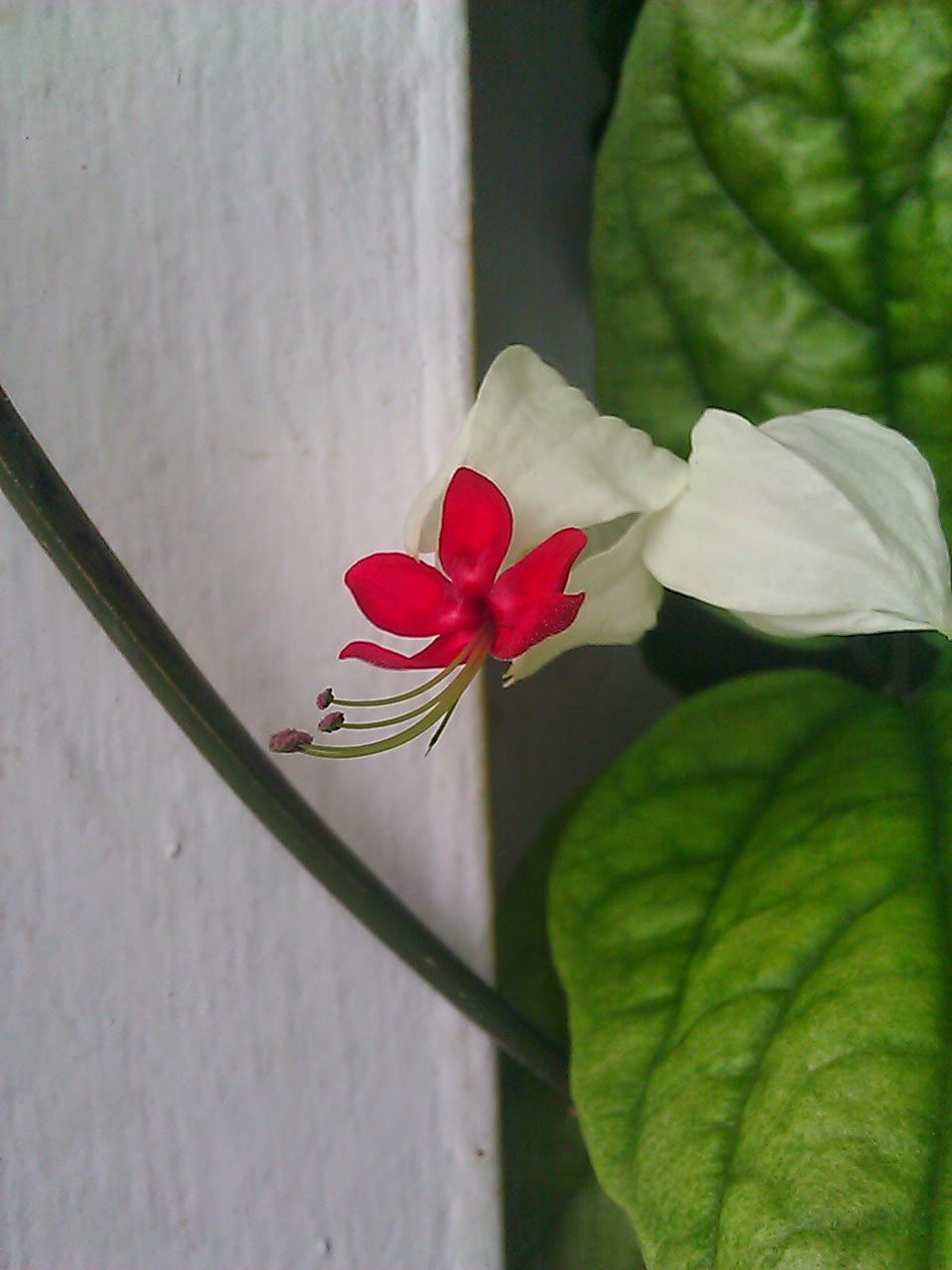
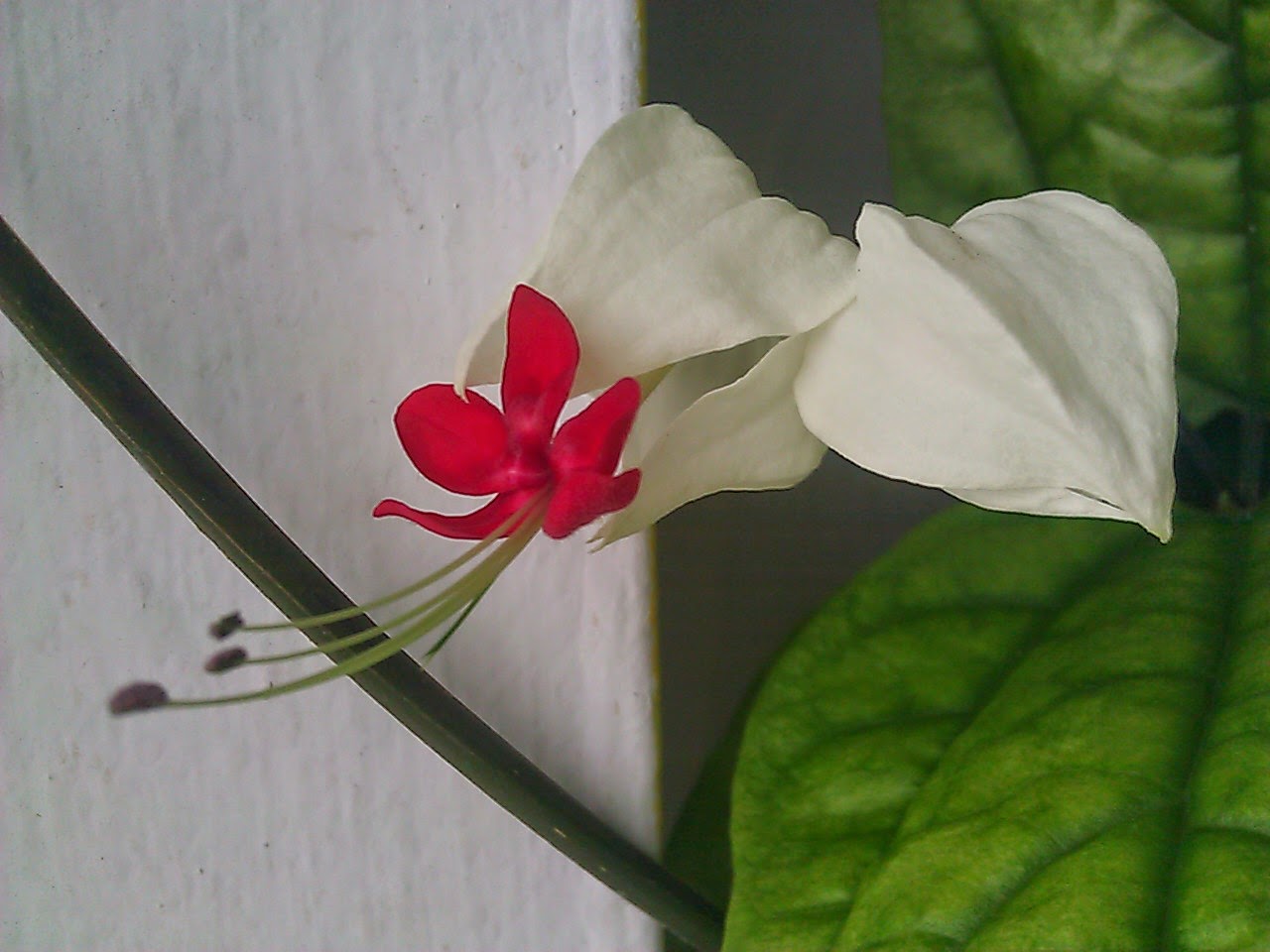
Oh My Bleeding Heart!
San Francisco Flower & Garden Show March 19-23, 2014
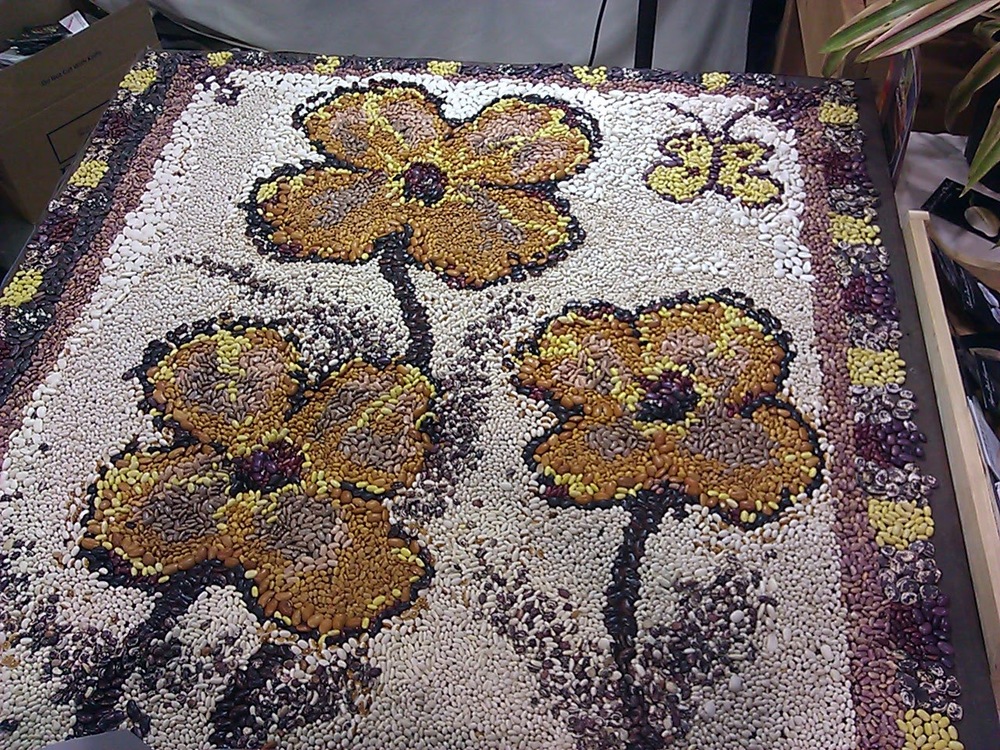
| Bean Art |
| Small scale simple compost |
| Collection of some of the beans collected from all around the world. |
There's some great seminars lined up with inspirational speakers like the Botanical Explorer Joseph Silcox and his brother Patrick Simcox as they recount their stories and journey's throughout the world searching for historic, rare and endangered edible plants. You can also catch them at the Baker Creek Heirloom seeds booth. They are giving away fresh heirloom seeds, rare seeds, books and other resources and make sure you grab the limited edition 2014 Baker Creek Seed Catalog. Just behind them you will also see a smaller, but just as awesome booth to the right of Baker Creek where a gentleman sells seedlings of Mangoes, Moringa, Tamarind, Cherimoya, among others. That's all just one corner of the 2014 SF Flower& Garden Show..
We at the TREE center have had the pleasure of nurturing over 500 Neem seeds fresh from India in the last couple of weeks as well as over two dozen Philippines mangoes as we prepare for our trip there in April 2014, but always have time for all the action at the 2014 SF Flower & garden show. You too can have it all in exchange for $20 (U.S.) Entrance, $15 9 9U.S.) after 3pm and $12 (U.S.) for parking.
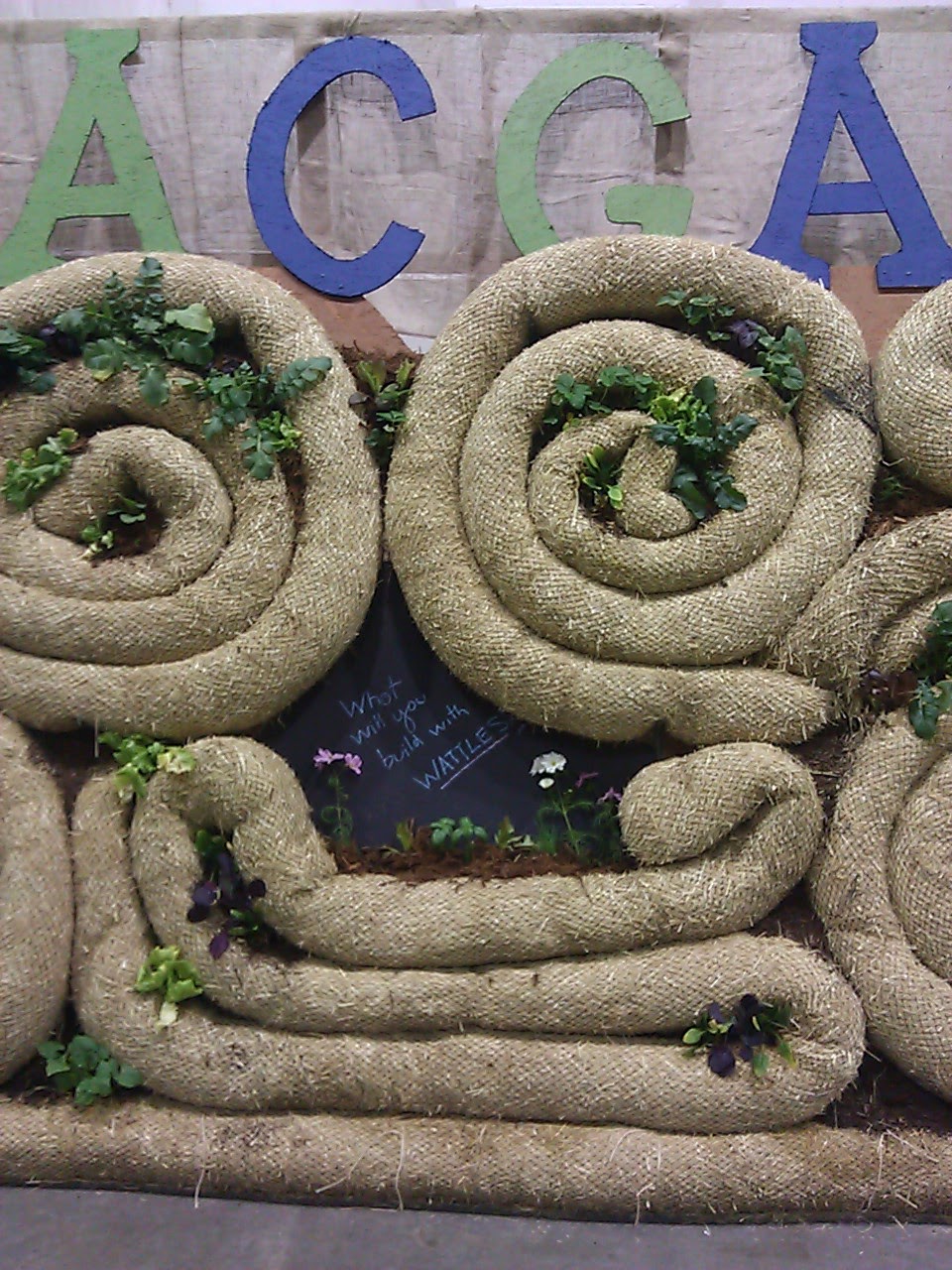
| Wattles being used for urban gardening. Plant anywhere. |
| Beautiful baby powder scent from purple flowers / Flores morada con olor a polvo de niño |
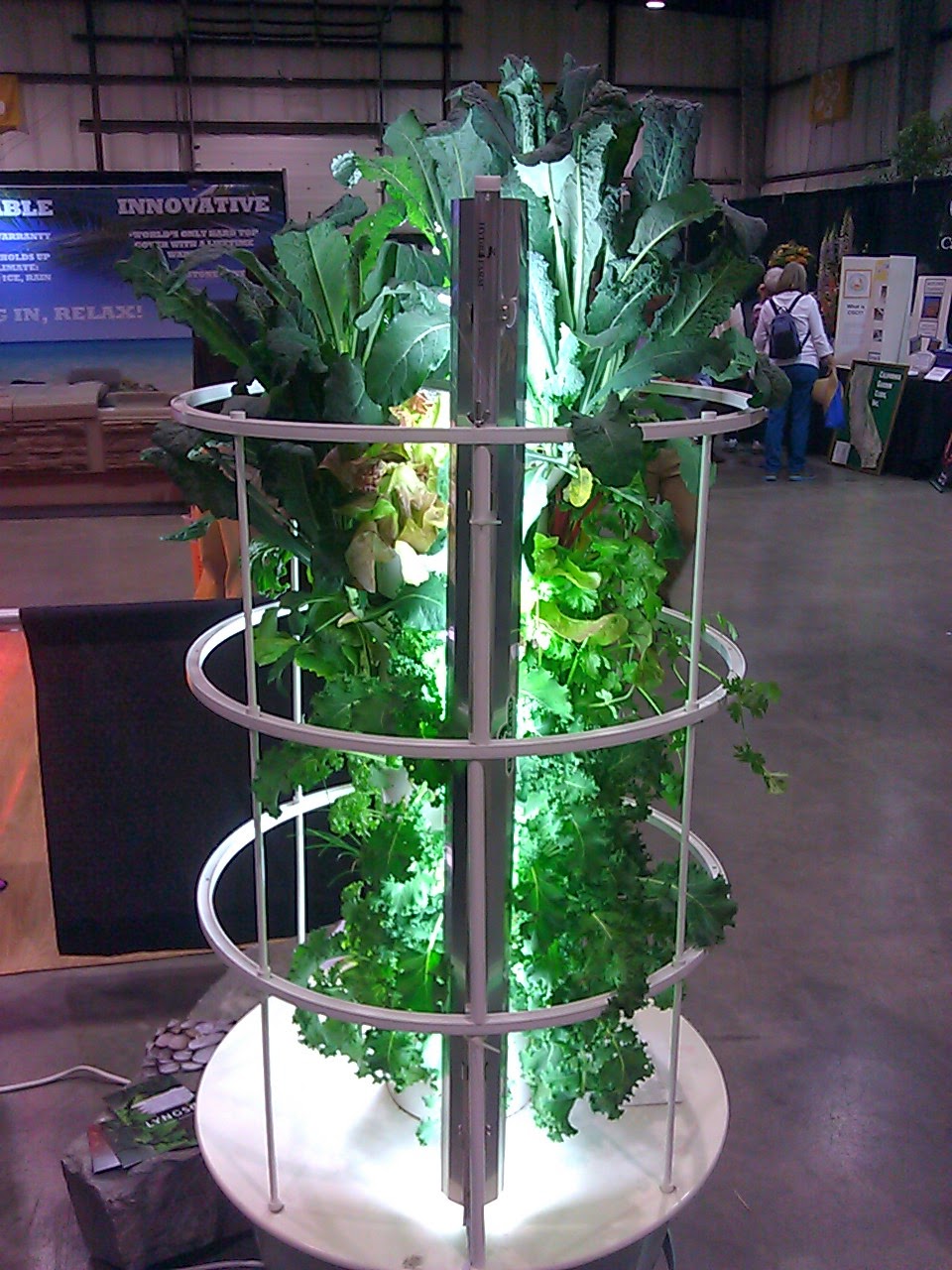
| Vertical gardening continues to be popular |
| Some of the seeds we were blessed with / Las semillas gratis |
| Black Corn with cotton / Maiz negro con el elgodon |
| Natural dark blue Cotton seed / Semilla de algodon tinta azul natural |
2014 NorCal Horticultural Trade Show Swoop In
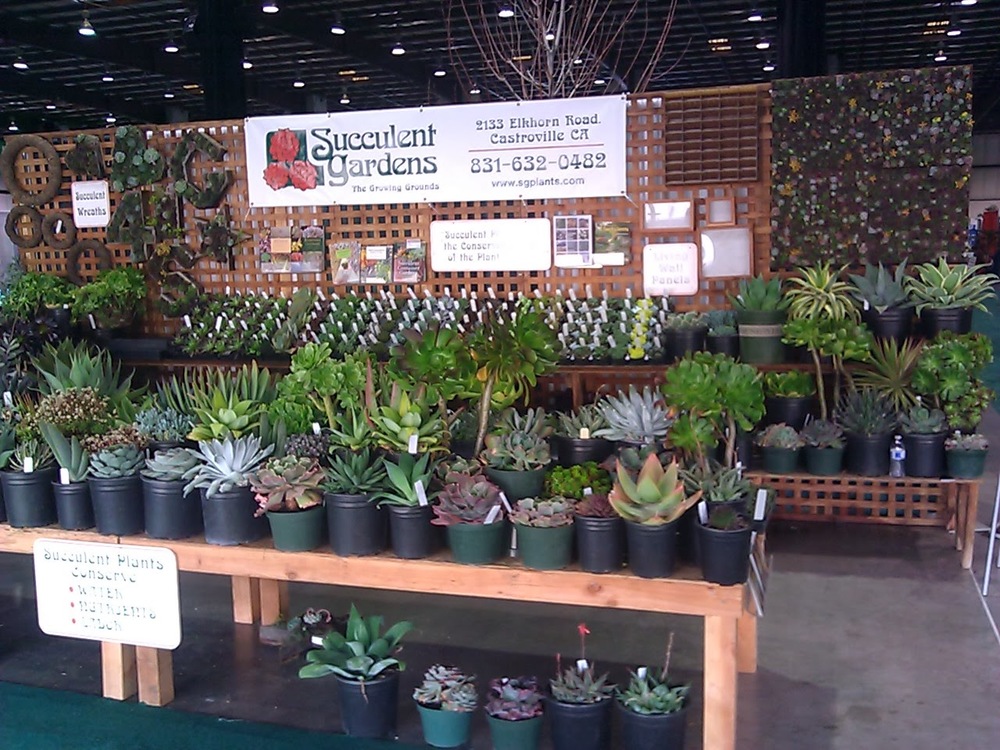
The TREE center swooped into the 2014 Horticultural trade show in San Mateo, CA and wanted to update you on some of our fresh findings.Of course our long time solid favorites were here to greet and chat it up with us like our buddy Doug from Four Winds Growers. We had a nice conversation about the Australian Finger Limes. We're looking to getting our hands on some cool varietals with pink and salmon colored juice vesicles. Kellogg Garden Products was there as well. Thank you to Rex Lamb the Territory manager for spending some time to chat with me and my co-worker Mori from Home Depot. This is the main organic brand you will find at most Home Depots.
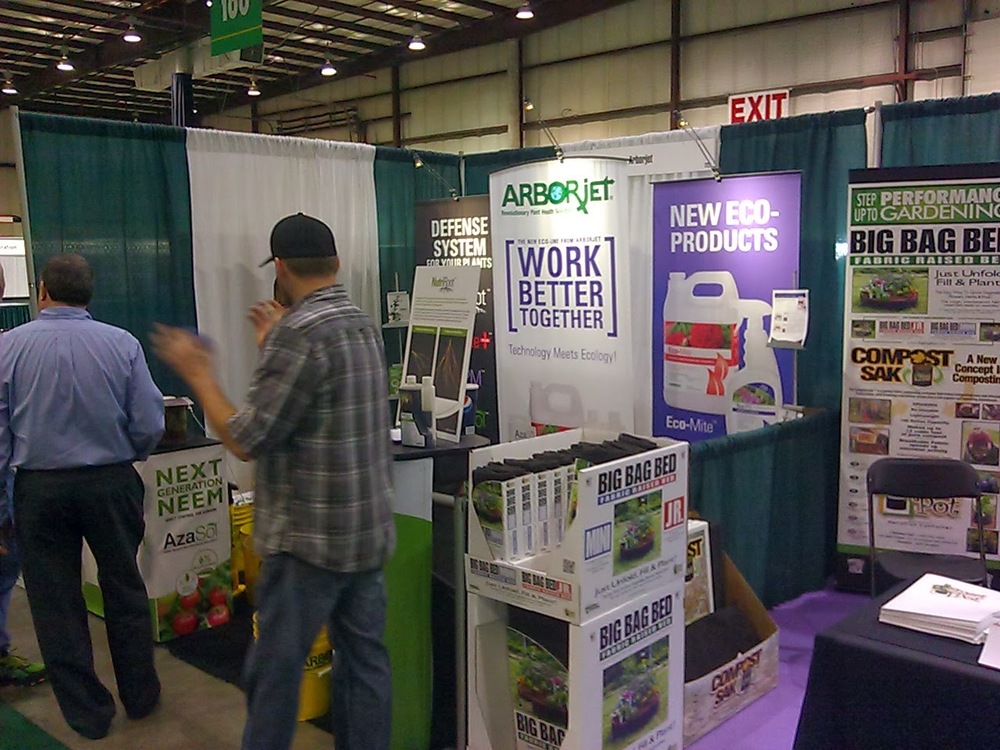
As well as some new favorites we are still getting to know like Ms. Dawn Fluharty the NW Regional Technical Manager for ArborJet who' s tagline is "Revolutionary Plant Health Solutions" and they have done some stuff with a powdered extract of Neem making it more readily available, soaked up and viable in the long-term. She showed me some technology where they can inject any solution through the plants vascular system, so it is a systemic method taken up immediately and retained for longer within the system. We will be looking more into this in the near future. Cool stuff so far.
We learned a bunch of tips and tricks on grafting Loquats and Avocados from the folks at Laverne Nursery and saw many many more products with the addition of Mycorrhiza.
As well as some new favorites we are still getting to know like Ms. Dawn Fluharty the NW Regional Technical Manager for ArborJet who' s tagline is "Revolutionary Plant Health Solutions" and they have done some stuff with a powdered extract of Neem making it more readily available, soaked up and viable in the long-term. She showed me some technology where they can inject any solution through the plants vascular system, so it is a systemic method taken up immediately and retained for longer within the system. We will be looking more into this in the near future. Cool stuff so far.
We learned a bunch of tips and tricks on grafting Loquats and Avocados from the folks at Laverne Nursery and saw many many more products with the addition of Mycorrhiza.
Safety First!
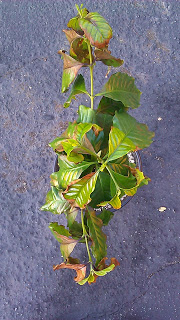
The Brownea coccinea 'Grandiflora' knows what's up. A New flush of fresh leaves is a tender meal for most lifeforms in the forest, but the Coccinera has done switched up the game. The Scarlet Flame Bean pushes out brown and reddish hued new leaves instead of fresh green growth. From the Fabeceae (Bean) family but not looking too appetizing at the moment; Coming to us originally from Northern South America. We present the Brownea coccinea aka 'Grandiflora', 'Scarlet Flame Bean'.

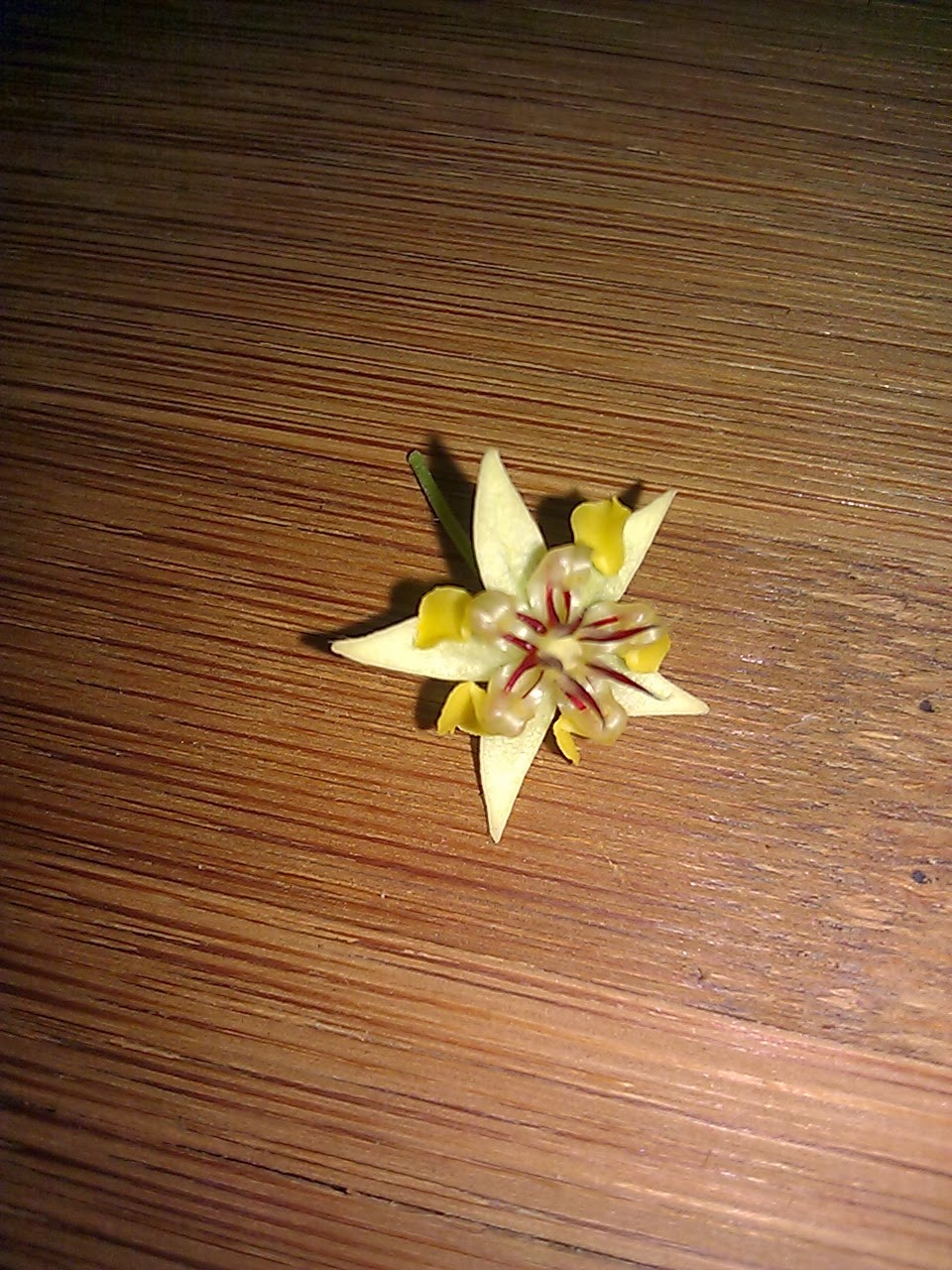
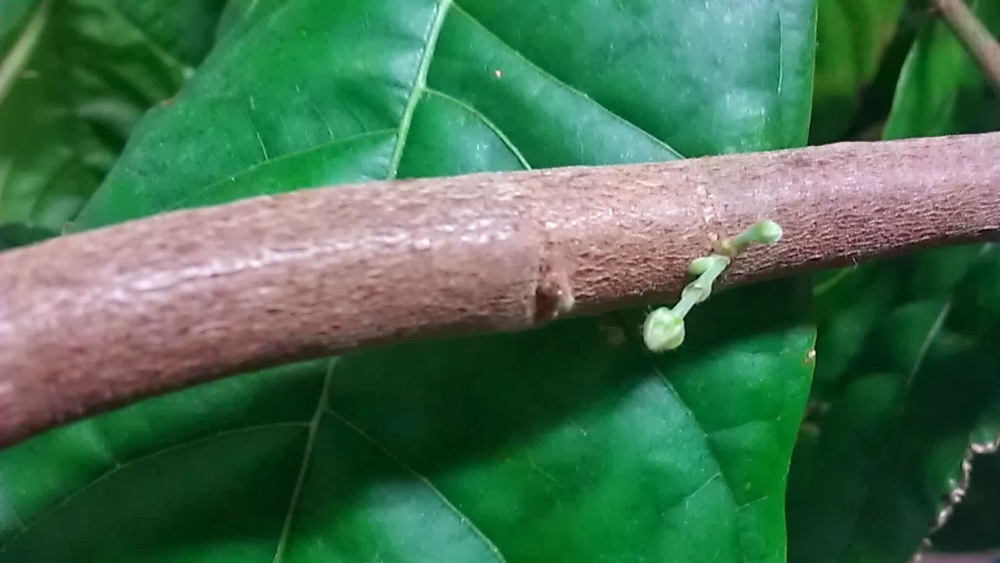
Blooming Cacao
Cracking a Cacao - Grand Opening Video!
With Changing Seasons Arise New Beginnings
Freezing Temperatures Can't Knock out the Champ!
Wednesday December 4th 2013 marks the first freezing day we have felt here in the South Bay area in over 10 years. I will admit that about 5 years ago in the financial district of San Francisco we had icy rain/snow fall. Enough that it covered the ground about half an inch high and sufficient to scoop up a perfectly dripping icy snow ball, but this time was different. No snow as are the coldest days back east. Just a cutting breeze and dry cold cold air. For about a solid week after that we had freezing temperatures. I didn't believe it would happen. When it did it was too late to save the Banana and Plantain plants. Our grape vine instantly went into hibernation mode as well as a couple of our last green pepper plants.
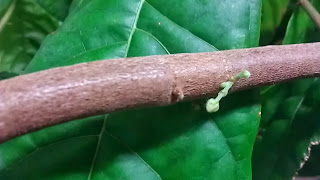
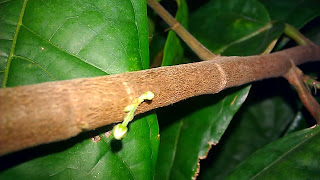
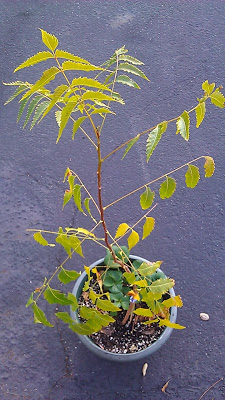
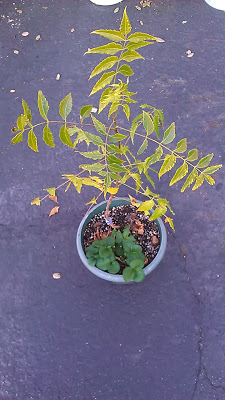
After all of that I am happy to announce that many of the tested tropical plants survived the onslaught including the Neem tree. The Neem Tree is proving to be quite the fighter!
Hibiscus and its Many Variations
Not only is it one of our favorite and most beautiful of tropical flowers but it is also very economical and useful in several ways. It is known that Filipino children have used the Hibiscus flower as a resource for passing the time and blowing bubbles with friends and family. Its petals are crushed with a rock or other hard tool in a bowl, add a bit of water and the soapy residue extracted from the flower petals can set off a serious bubble blowing session.
My mother and her friends used to seek out these Hibiscus beauties over in their small villages in the Dominican Republic, but they used to seek them out for their tasty yellow pollen.
In Mexico and many other Latin American countries a juice is made of the flower and it is called Jamaica. You can also find teas made from the hibiscus flower which are loaded with anti-oxidants and vitamin C, can aid in decreasing blood pressure, increasing immune system efficiency, supporting good digestion and said to help relieve muscle cramping an stomach aches.
Here's some more Hibiscus pictures from 2013 blooms.
The A B C's aka S.W.A.N.
Today as I was explaining some watering basics to my wife she interjected, 'Yes, like the ABC's of dancing. Walking, Side-step, Rock-step, triple-step.' Now, to her and other dancers that all may actually sound like A,B,C, but not to any one of us and at least not right away. So then I thought of one of the most commonly asked questions we get, which is, 'How often do I water?' and our responses usually include SWAN. SWAN represents the basics for plant Life. Sort of the A B C's of plants.
SWAN: Sun, Water, Air, and Nutrients and that just brings up more questions...
Since one of our driving forces at TREE center is the Love of answering questions we jumped on it!
Sun: Light the driving force behind plant growth, but it works hand in hand with other elements and actions. Some plants like or can handle between a certain amount of sun vs shade and depending on those levels the plants may require more or less air and water. Then potentially in turn those same plants can handle and make use of more concentrated nutrients. Sun light can be replaced by man-made light such as that made by Natural or Daylight light bulbs. Very important to understand that the more sun or 'light' a plant gets the more likely it is also soaking up more of the water in and around its roots. We say 'most likely' because some plants don't require or like much sun or light. Giving those plants too much light will start hurting them by drying up their leaves then the entire plant ultimately making it unhappy, inefficient, diseased and done. Also, evening sunlight after about 3pm is much more intense for your plants than 6am through 2p sunlight. This will become more important when we speak about watering.
Water: We touched on water earlier. Water is crucial even for us humans. We can survive several weeks without food or nutrients, but would not make it past a week without water. Pay attention next time to a plant that is in desperate need of water what it looks like right then and there. Then water it thoroughly and witness the shift. It is literally like putting air into a flat ball. Water is crucial to all survival. Lets protect and share it wisely! When watering your potted plants make sure the water is not merely flowing down the sides between the edges of the pot and soil. Give them a good soaking if possible every time and always try to avoid wetting their leaves. Some plants won't stand for it at all. African Violets for example will develop stains on their leaves from cool water splashing on them. Other leaves and plants would love to be sprayed regularly just be mindful that when the sun shines, specially in the stronger evening sunlight those drops of water magnify the effect of the sun on the leaves and often burn the green right off. Water too late in the evening and you risk getting a disease known as powdery mildew where your plants leaves look as if they were slapped with baby/talcum powder. Just water less often, but more thoroughly specially for trees. With all of the competition for water in the top 6 inches of soil (grass, flowers, heat dissipation, insects etc) there is barely any left for tree and perennial roots down below, but that will not stop them from drilling their way back up to the surface with roots the size and thickness of tree trunks. The longer you can water, the deeper the water will seep allowing the tree roots to dig downward and maybe even reach a deep enough level that they capture water run off from other sources. That's why it is important that we educate all our neighbors, friends and family members about using and putting only organic elements into the ground and soils. Careful with faucet water when you have delicate plants as lots of our drinking water is chemically treated and can cause them harm. For Venus fly traps and other carnivorous plants you must use filtered water so that no nutrients are being added to their diet and they will continue to develop their insect eating features.
Air: Even though roots are under the ground they require oxygen to thrive. How do they get oxygen? Well, that is another way the elements work together. You water your plants, that water creates inroads and paths as it makes it way down and right behind that water and more so once the soil has has dried is the perfect path for air to flow. That is why it is also crucial to have the right soil or soil medium at the root level. Some plants like succulents/cacti can deal with compact soil because they do not require much water but the heat creates cracks in the ground allowing for the same oxygen exchange other plants require. Plants grown hydroponically (in water) are oxygenated by air pumps if they are submerged in water other wise those plants would drown. Wind, drafts and vents can create a very dry and difficult environment for plants, so always know about those trouble spots as well as places where there is no air circulation.
Nutrients: Last but certainly not least are nutrients. You have your basic nutrients the most notable would be NPK. Nitrogen, Phosphorous and Potassium. Nutrients usually come from other decomposing matter, but many a times they can be synthetically put together in a lab. It is still the same nutrient but derived from and potentially in a different form/structure. No worries, keep it simple just check what the 'Derived from' ingredients are and you can tell the difference between one that lists Ammonium Nitrate, Urea, etc vs Bat Guano, Rice hulls, bone meal, etc. Synthetic nutrients are great for use with flowers and the such which can make quick use of the solubility of synthetic fertilizers and don't pose as much harm as long as we would not be planning on eating or ingesting those same flowers. Compost works extremely well as a source for nutrients. Nitrogen typically helps by greening up your plants and leaves as it supports overall above ground growth, Phosphorous supports more of the roots growth and Potassium adds more of an all around benefit to the plant and its growth. Overall you want a well diversified garden so utilizing different composts and fertilizers derived from separate sources would be most beneficial.
If you can figure out and keep SWAN in mind you will have the basic A B C's to keeping your plants alive and thriving.
SWAN: Sun, Water, Air, and Nutrients and that just brings up more questions...
Since one of our driving forces at TREE center is the Love of answering questions we jumped on it!
Sun: Light the driving force behind plant growth, but it works hand in hand with other elements and actions. Some plants like or can handle between a certain amount of sun vs shade and depending on those levels the plants may require more or less air and water. Then potentially in turn those same plants can handle and make use of more concentrated nutrients. Sun light can be replaced by man-made light such as that made by Natural or Daylight light bulbs. Very important to understand that the more sun or 'light' a plant gets the more likely it is also soaking up more of the water in and around its roots. We say 'most likely' because some plants don't require or like much sun or light. Giving those plants too much light will start hurting them by drying up their leaves then the entire plant ultimately making it unhappy, inefficient, diseased and done. Also, evening sunlight after about 3pm is much more intense for your plants than 6am through 2p sunlight. This will become more important when we speak about watering.
Water: We touched on water earlier. Water is crucial even for us humans. We can survive several weeks without food or nutrients, but would not make it past a week without water. Pay attention next time to a plant that is in desperate need of water what it looks like right then and there. Then water it thoroughly and witness the shift. It is literally like putting air into a flat ball. Water is crucial to all survival. Lets protect and share it wisely! When watering your potted plants make sure the water is not merely flowing down the sides between the edges of the pot and soil. Give them a good soaking if possible every time and always try to avoid wetting their leaves. Some plants won't stand for it at all. African Violets for example will develop stains on their leaves from cool water splashing on them. Other leaves and plants would love to be sprayed regularly just be mindful that when the sun shines, specially in the stronger evening sunlight those drops of water magnify the effect of the sun on the leaves and often burn the green right off. Water too late in the evening and you risk getting a disease known as powdery mildew where your plants leaves look as if they were slapped with baby/talcum powder. Just water less often, but more thoroughly specially for trees. With all of the competition for water in the top 6 inches of soil (grass, flowers, heat dissipation, insects etc) there is barely any left for tree and perennial roots down below, but that will not stop them from drilling their way back up to the surface with roots the size and thickness of tree trunks. The longer you can water, the deeper the water will seep allowing the tree roots to dig downward and maybe even reach a deep enough level that they capture water run off from other sources. That's why it is important that we educate all our neighbors, friends and family members about using and putting only organic elements into the ground and soils. Careful with faucet water when you have delicate plants as lots of our drinking water is chemically treated and can cause them harm. For Venus fly traps and other carnivorous plants you must use filtered water so that no nutrients are being added to their diet and they will continue to develop their insect eating features.
Air: Even though roots are under the ground they require oxygen to thrive. How do they get oxygen? Well, that is another way the elements work together. You water your plants, that water creates inroads and paths as it makes it way down and right behind that water and more so once the soil has has dried is the perfect path for air to flow. That is why it is also crucial to have the right soil or soil medium at the root level. Some plants like succulents/cacti can deal with compact soil because they do not require much water but the heat creates cracks in the ground allowing for the same oxygen exchange other plants require. Plants grown hydroponically (in water) are oxygenated by air pumps if they are submerged in water other wise those plants would drown. Wind, drafts and vents can create a very dry and difficult environment for plants, so always know about those trouble spots as well as places where there is no air circulation.
Nutrients: Last but certainly not least are nutrients. You have your basic nutrients the most notable would be NPK. Nitrogen, Phosphorous and Potassium. Nutrients usually come from other decomposing matter, but many a times they can be synthetically put together in a lab. It is still the same nutrient but derived from and potentially in a different form/structure. No worries, keep it simple just check what the 'Derived from' ingredients are and you can tell the difference between one that lists Ammonium Nitrate, Urea, etc vs Bat Guano, Rice hulls, bone meal, etc. Synthetic nutrients are great for use with flowers and the such which can make quick use of the solubility of synthetic fertilizers and don't pose as much harm as long as we would not be planning on eating or ingesting those same flowers. Compost works extremely well as a source for nutrients. Nitrogen typically helps by greening up your plants and leaves as it supports overall above ground growth, Phosphorous supports more of the roots growth and Potassium adds more of an all around benefit to the plant and its growth. Overall you want a well diversified garden so utilizing different composts and fertilizers derived from separate sources would be most beneficial.
If you can figure out and keep SWAN in mind you will have the basic A B C's to keeping your plants alive and thriving.
Shade-y Plants
Here is the Tropical Reserve & Economical Education Top 5 shade loving plants.
1. Theobroma cacao - How could we not mention this tree. It may not flower as vigorously indoors, but with just the ambient light these trees grow beautifully and produce tiny white to pinkish flowers that turn into cacao pods from which we get our tasty chocolate. Cacao trees have been know to do well in sunny environments such as in Africa, but will require lots more water and generally show more leaf burn since the leaves are quite delicate.
2. Hostas - There are over 35 varieties of these types of leafy plants. They are known to produce beautiful flowers without needing direct light as well as velvety green to blue hue colored leaves.
3. Alocasias - Such as the popular African mask do exceptionally well in shade. One trick is to make sure you do not over-water. Understanding that if your plants are getting less light and subsequently less heat they will also most likely take longer to dry out. That's crucial. Most of these shade loving plants love moisture but should be let to dry slightly before watering again as to not risk maladies.
4. Pothos - These are the first plants / vines I recommend anyone introducing plants to their environment. The Pothos vines are not generally known to flower indoors but since they grow extremely well with very little to full light and minimal water as well as growing well while sitting in nothing but water it is a great starter plant for anyone wanting to green up their thumbs.
5. Coleus - The Coleus provide us with exciting multi-colored leaves, so no waiting around for flowers to make an appearance. When flowers do appear we usually snip them right off in order to maintain the vigor and color in our leaves. Leaf colors can range from lime green to deep wine reds all in a single leaf. Again, Coleus grow well in shade and will gradually change its appearance in color as it gets more or less light.
1. Theobroma cacao - How could we not mention this tree. It may not flower as vigorously indoors, but with just the ambient light these trees grow beautifully and produce tiny white to pinkish flowers that turn into cacao pods from which we get our tasty chocolate. Cacao trees have been know to do well in sunny environments such as in Africa, but will require lots more water and generally show more leaf burn since the leaves are quite delicate.
2. Hostas - There are over 35 varieties of these types of leafy plants. They are known to produce beautiful flowers without needing direct light as well as velvety green to blue hue colored leaves.
3. Alocasias - Such as the popular African mask do exceptionally well in shade. One trick is to make sure you do not over-water. Understanding that if your plants are getting less light and subsequently less heat they will also most likely take longer to dry out. That's crucial. Most of these shade loving plants love moisture but should be let to dry slightly before watering again as to not risk maladies.
4. Pothos - These are the first plants / vines I recommend anyone introducing plants to their environment. The Pothos vines are not generally known to flower indoors but since they grow extremely well with very little to full light and minimal water as well as growing well while sitting in nothing but water it is a great starter plant for anyone wanting to green up their thumbs.
5. Coleus - The Coleus provide us with exciting multi-colored leaves, so no waiting around for flowers to make an appearance. When flowers do appear we usually snip them right off in order to maintain the vigor and color in our leaves. Leaf colors can range from lime green to deep wine reds all in a single leaf. Again, Coleus grow well in shade and will gradually change its appearance in color as it gets more or less light.
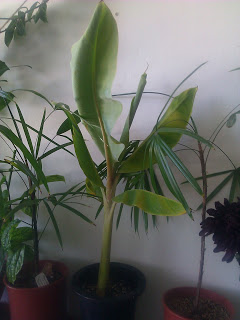
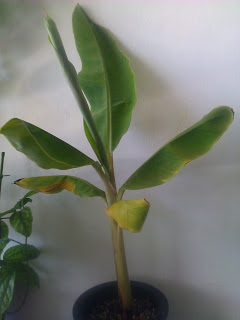
Free Live Plant: Super Plantain aka Green Banana aka Musa paradisiaca
| Green Banana / Platano / Super Plantain |
| Pup looking for a new home |
Preference will be given to the person that can come by and pick up locally in the bay area to avoid shipping it, but we will ship anywhere in the United States and split the shipping charges with you. Enjoy!
| Mother plants from which pup was separated. |
Garden Soil vs Potting Soil
It's not dirt and it's never just soil. Choosing the right stuff for your use requires a little investigation as well as ignoring whatever pictures the manufacturers have put on the front of the package. First look for the words "Potting Soil/Mix" or "Gardening Soil", which make the biggest difference. You will notice that the potting soil is usually fluffier and more expensive in general (because of the added ingredients) versus the general gardening soils. That's because gardening soils are made with the intention that they will be mixed with established native soils. Specifically labeled potting soil has had ingredients (Perlite/Lava Rocks/Vermiculite, etc) added that allow for better water flow as well as overall air circulation to roots.
The second area you should read is the "Ingredients" or "Derived From" section. Here is where synthetic fertilizers will list ingredients such as Ammonium Phosphate, Ammoniacal Nitrogen, Urea, etc. On the other hand we have organic fertilizers, which will list Chicken manure, Bat Guano, Worm castings, compost, etc. This area can be crucial specially if you're looking to grow carrots, potatoes, onions or the like where your edible harvest will be in direct contact with those fertilizers in the soil. Otherwise many folks are generally quite comfortable growing and eating plants grown with synthetic fertilizers added to the soil.
In general you want to make sure that when you water your pot/soil picks up some of that water weight so you know its holding water, but the balance is that while watering it should freely flow through the soil and out the bottom of the pot. Otherwise too much water will be held leading to root rot and ultimate death of your plants. And there is no schedule anyone can give as to when or how much to water your plants. It all depends on what that species of plants generally prefers, how quickly it is growing, how many hours of direct sun it is getting, wind, room temperature, humidity and type of soil all play important roles, so the most important thing you can do is pay attention to your plants, give them a quick nudge to judge overall weight/water retention and look for signs of browning/drying on top soil to tell you if it MAY be time for more watering.
The second area you should read is the "Ingredients" or "Derived From" section. Here is where synthetic fertilizers will list ingredients such as Ammonium Phosphate, Ammoniacal Nitrogen, Urea, etc. On the other hand we have organic fertilizers, which will list Chicken manure, Bat Guano, Worm castings, compost, etc. This area can be crucial specially if you're looking to grow carrots, potatoes, onions or the like where your edible harvest will be in direct contact with those fertilizers in the soil. Otherwise many folks are generally quite comfortable growing and eating plants grown with synthetic fertilizers added to the soil.
In general you want to make sure that when you water your pot/soil picks up some of that water weight so you know its holding water, but the balance is that while watering it should freely flow through the soil and out the bottom of the pot. Otherwise too much water will be held leading to root rot and ultimate death of your plants. And there is no schedule anyone can give as to when or how much to water your plants. It all depends on what that species of plants generally prefers, how quickly it is growing, how many hours of direct sun it is getting, wind, room temperature, humidity and type of soil all play important roles, so the most important thing you can do is pay attention to your plants, give them a quick nudge to judge overall weight/water retention and look for signs of browning/drying on top soil to tell you if it MAY be time for more watering.
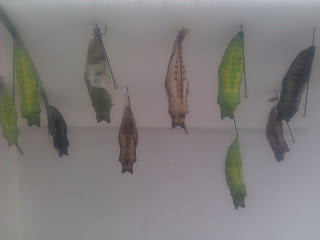
Recent Visit to the Butterfly Exhibit in the Sf Conservatory of Flowers
USDA Lab: Cacao Leaf DNA Results
We want to shout out and Thank Matt Kempf for asking the question in a recent e-mail to the TREE center. Also a big THANK YOU goes to Dapeng Zhang from the USDA for providing us with the research results. So what were the USDA test results of our Cacao leaf? (sample sent in late 2012).
We've been curious as to what type of cacao tree we had at our San Francisco Conservatory of Flowers greenhouse. This particular cacao tree had been donated to the conservatory and planted in ground inside one of the back greenhouses over 15 years ago. It had a sign that said Criollo Theobroma cacao, but we were all doubtful and curious. Today this tree produces two to three full harvests every year and the very pods we use to keep our collection growing. It also provides visitors with plenty of sample pods to experience during their tours of the conservatory.
In general there are three major groups of cacao. First there is the well known and widely produced Forastero cacao. This cacao type is often used as a filler, in combination with different quality cacao seeds for chocolate making. Its pod is rounder in shape, can vary in color from green, yellow, orange to red and have anywhere between 12 - 75 seeds in their pods. The taste of chocolate made from Forastero dominant cacao is said to be more fruity and the seeds are usually purple in color. I say "usually purple" because just as with the human race there are many different genes some dominant and some recessive that can become apparent at any time. Our particular tree produced pods with mostly purple seeds, but on average 3 out of 10 were white as are most of the Criollo pod seeds. The Criollo cacao pod is said to be used for making some of the tastier/earthier more expensive chocolates, rarely mixed with other chocolates and its pods are more likely to be pointier, longer and with deeper grooves resembling a flattened American Football. The Criollo pods also range in color from green to red. The Forastero cacao would likely resemble more of the Rugby style ball as well as a smoother outer surface almost devoid of grooves. Then there is the Trinitario cacao, which is a hybrid of the two major groups mentioned above. The most sought after "Criollo" meaning Native cacao pods are rare abroad, but they are usually easily found in their native countries where they grow best such as Colombia, Ecuador, Panama or the Caribbean. The Forastero can be more readily found being grown in South Africa under intense sunny heat vs the shadier environment of the typical Criollo cacao. Ultimately, the climate, soil, water, elevation, original seed genes and cooking procedures will determine the taste of your derived chocolate just as with Coffee. Coffee arabica is usually used to make some of the more expensive cups of Joe so it can be compared to the typical Criollo cacao and the Forastero cacao would be more like the Coffee robusta used for making more of the value brand coffee.
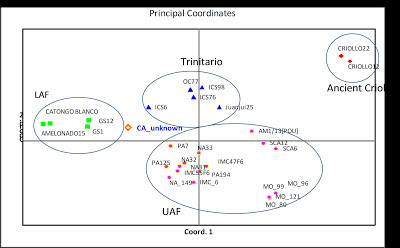
As the data demonstrates our first cacao leaf was derived from a cultivar that is most closely related to the Lower Amazonian Forastero cacao or "LAF Hybrid". The analysis was based on 54 SNP markers. These are gene markers that differentiate the sample (cacao/human/animal, etc). 28 known international clones were used as reference points. Both results of Bayesian clustering analysis and the PCOA respectively show that our tree is a Lower Amazon Forastero, but with a small proportion of gene introgression from the Trinitario. Below are two pictures also sent from our contact at the USDA showing a typical Lower Amazon Forastero "Matina" and "Criollo" showing the significant difference in pod morphology.
We've been curious as to what type of cacao tree we had at our San Francisco Conservatory of Flowers greenhouse. This particular cacao tree had been donated to the conservatory and planted in ground inside one of the back greenhouses over 15 years ago. It had a sign that said Criollo Theobroma cacao, but we were all doubtful and curious. Today this tree produces two to three full harvests every year and the very pods we use to keep our collection growing. It also provides visitors with plenty of sample pods to experience during their tours of the conservatory.
In general there are three major groups of cacao. First there is the well known and widely produced Forastero cacao. This cacao type is often used as a filler, in combination with different quality cacao seeds for chocolate making. Its pod is rounder in shape, can vary in color from green, yellow, orange to red and have anywhere between 12 - 75 seeds in their pods. The taste of chocolate made from Forastero dominant cacao is said to be more fruity and the seeds are usually purple in color. I say "usually purple" because just as with the human race there are many different genes some dominant and some recessive that can become apparent at any time. Our particular tree produced pods with mostly purple seeds, but on average 3 out of 10 were white as are most of the Criollo pod seeds. The Criollo cacao pod is said to be used for making some of the tastier/earthier more expensive chocolates, rarely mixed with other chocolates and its pods are more likely to be pointier, longer and with deeper grooves resembling a flattened American Football. The Criollo pods also range in color from green to red. The Forastero cacao would likely resemble more of the Rugby style ball as well as a smoother outer surface almost devoid of grooves. Then there is the Trinitario cacao, which is a hybrid of the two major groups mentioned above. The most sought after "Criollo" meaning Native cacao pods are rare abroad, but they are usually easily found in their native countries where they grow best such as Colombia, Ecuador, Panama or the Caribbean. The Forastero can be more readily found being grown in South Africa under intense sunny heat vs the shadier environment of the typical Criollo cacao. Ultimately, the climate, soil, water, elevation, original seed genes and cooking procedures will determine the taste of your derived chocolate just as with Coffee. Coffee arabica is usually used to make some of the more expensive cups of Joe so it can be compared to the typical Criollo cacao and the Forastero cacao would be more like the Coffee robusta used for making more of the value brand coffee.